
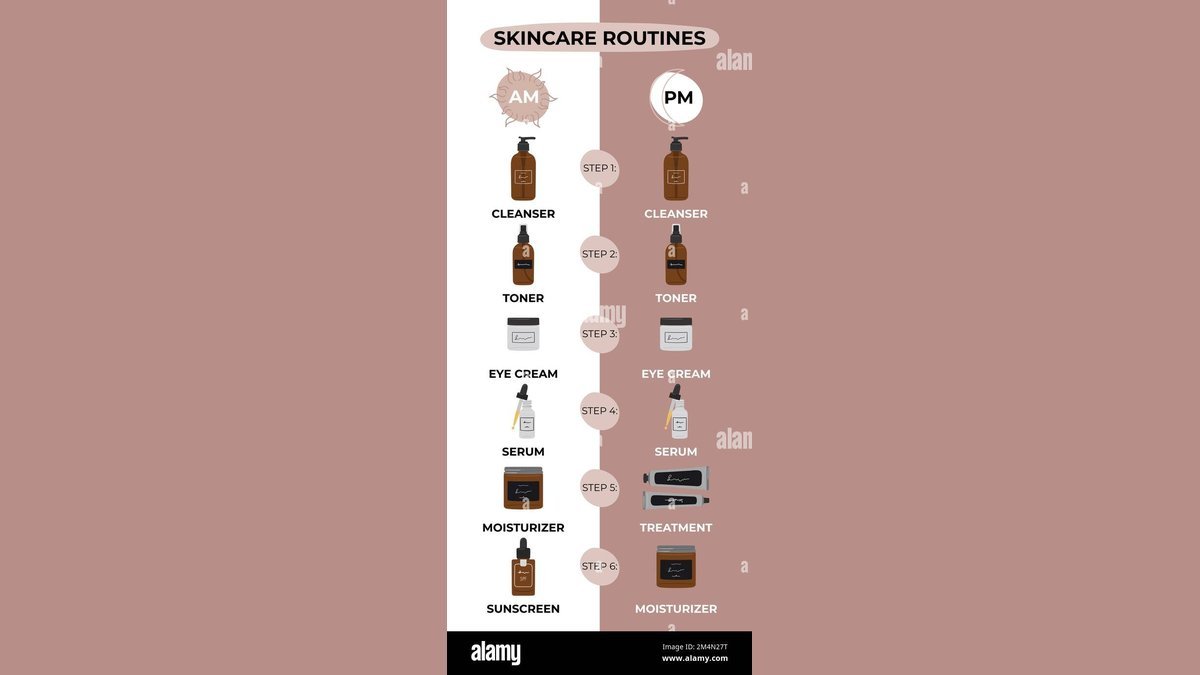
Simple morning and night skincare routine steps take about five minutes total using four core products: cleanser, moisturizer, sunscreen by day, and treatment at night.
Essential skincare products needed
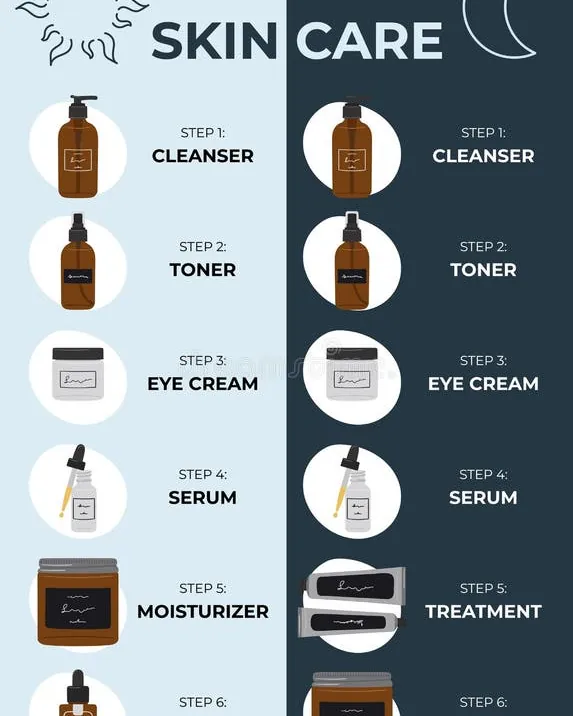
You’ll need four specific items to complete this routine effectively without wasting money on unnecessary extras.
- Gentle pH-balanced facial cleanser (not bar soap)
- Basic fragrance-free moisturizer with ceramides
- Broad-spectrum SPF 30+ sunscreen for daytime
- Single active treatment like retinol or vitamin C
- Clean microfiber cloth or soft cotton pads
- Timer or phone alarm for consistency tracking
If you have prescription acne medication, check your dermatologist’s guidance before adding over-the-counter actives to avoid irritation.
Daily skincare application steps
Follow these simple morning and night skincare routine steps in exact order for best absorption and effectiveness.
- Wash hands thoroughly before touching your face to prevent transferring bacteria and oils from daily activities onto clean skin.
- Cleanse with lukewarm water and gentle circular motions for 60 seconds, then rinse completely; hot water strips natural oils and causes dryness.
Tip: If your skin feels tight after washing, your cleanser is too harsh or the water is too hot. - Apply treatment product according to its directions—some actives like retinol should be applied to dry skin to reduce irritation—using a pea-sized amount; wait two minutes before the next step.
- Moisturize while skin is still slightly damp to lock in hydration; use nickel-sized amount for face and neck combined.
- Apply sunscreen as final morning step using two fingers’ length; reapply every two hours during direct sun exposure per FDA sunscreen guidelines.
Careful: Skipping sunscreen leaves skin vulnerable to UV damage, which undermines anti-aging and hyperpigmentation efforts. - Night routine replaces sunscreen with extra moisturizer layer; allow ten minutes before bed to prevent product transfer onto pillowcases.
- Track progress weekly with photos in same lighting; visible changes typically appear after eight to twelve weeks of consistent use.
Adjustments by skin type
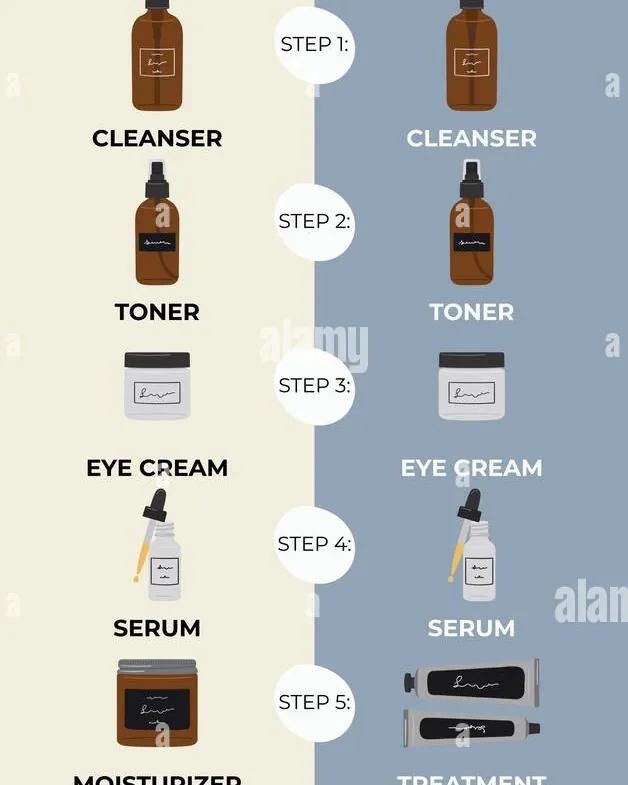
Your routine needs modification based on individual skin characteristics rather than following one universal approach blindly.
| Skin condition | Product adjustment | Key difference | Warning sign |
|---|---|---|---|
| Oily or acne-prone | Gel moisturizer, salicylic acid | Lighter texture, pore-clearing | Excessive dryness or peeling |
| Dry or mature | Cream moisturizer, hyaluronic acid | Richer hydration, plumping effect | Greasy residue or breakouts |
| Sensitive or reactive | Fragrance-free only, patch test first | Minimal ingredients, slower introduction | Redness, burning, or itching |
| Combination skin | Zone-specific application | Different products per area | Imbalanced oil production |
Start with lower concentrations and shorter contact times; you can always increase frequency once tolerance builds, but reversing chemical burns takes months.
Signs your routine works correctly
Healthy skin shows gradual improvement without dramatic overnight transformations or persistent irritation.
Poor results include constant redness, new breakouts, excessive oiliness, or flaky patches that weren’t present before starting.
Prevention requires introducing one new product every two weeks minimum. Stop immediately if stinging lasts beyond thirty seconds. Your skin should feel hydrated and calm within fifteen minutes of application, never tight or greasy.
Safety rules and maintenance habits
Dermatologists recommend patch testing new products on a small area of skin for several days before facial use. Always store products away from direct sunlight and bathroom humidity to preserve active ingredient stability.
Cleanse applicators weekly and replace sponges monthly to prevent bacterial growth. Most opened products expire within six to twelve months; check packaging for period-after-opening symbols. Discontinue any product causing persistent irritation beyond initial adjustment period.
Professional consultation becomes necessary if you experience severe reactions, worsening conditions, or no improvement after three months of consistent use. Self-treating diagnosed skin diseases risks permanent scarring and delayed proper care.
Alternative routine approaches
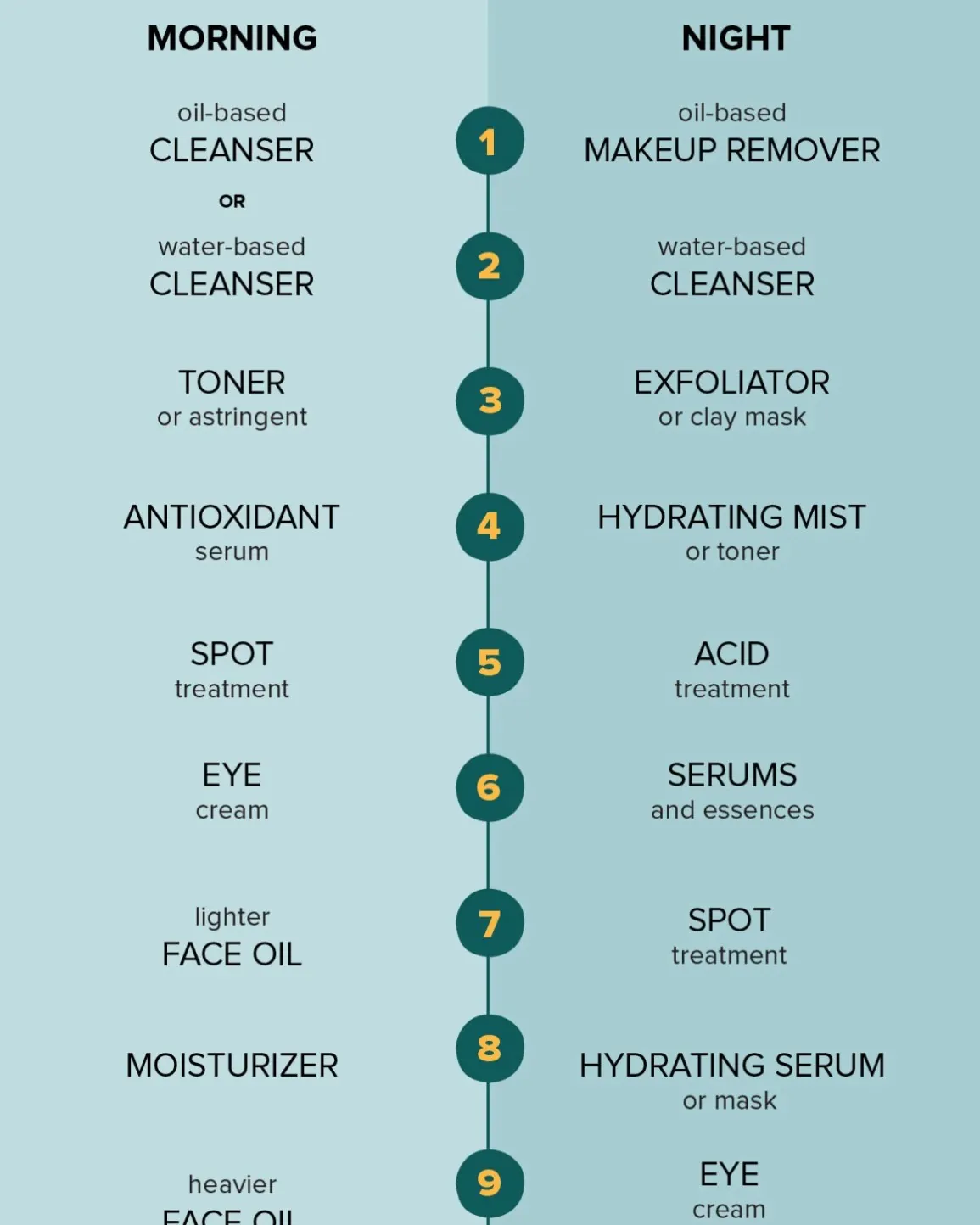
Minimalist three-product method
Uses only cleanser, moisturizer, and sunscreen daily. Cuts time to three minutes and reduces irritation risk significantly. Best for extremely sensitive skin or those rebuilding damaged barriers, though it lacks targeted treatment benefits for specific concerns like aging or hyperpigmentation.
Professional treatment integration
Adds monthly facials or quarterly chemical peels to home routine. Accelerates results for stubborn concerns but costs substantially more. Requires finding qualified estheticians and scheduling around recovery periods; not suitable for those unable to commit to regular appointments or post-treatment sun avoidance protocols.
Seasonal rotation system
Switches between lighter summer formulas and richer winter versions annually. Addresses climate-driven skin changes proactively rather than reactively. Demands maintaining two complete product sets and remembering transition timing; helpful for people living in regions with extreme seasonal variations affecting skin behavior.
Frequently asked questions
Can I skip sunscreen on cloudy days?
No, UV rays penetrate clouds and windows year-round. Up to 80% of UV radiation reaches the earth through cloud cover. Daily SPF prevents cumulative damage that causes premature aging and skin cancer regardless of visible sunshine or outdoor plans.
How long until I see visible results?
Most routines show noticeable improvement within eight to twelve weeks of consistent daily use. Skin cell turnover cycles average twenty-eight days, requiring multiple cycles for lasting change. Results vary based on age, genetics, and specific concerns being addressed.
Why does my skin burn after applying products?
Burning indicates compromised skin barrier or product incompatibility rather than normal adjustment. Stop use immediately and identify the irritating ingredient. Common culprits include alcohol, fragrance, or combining incompatible actives like retinol with AHAs without proper acclimation periods.
Is it safe to mix different brand products?
Yes, mixing brands is safe when formulations are compatible. Focus on ingredient interactions rather than brand loyalty. Avoid combining multiple strong exfoliants or layering retinol with benzoyl peroxide unless directed by professionals familiar with your specific skin tolerance levels.
What happens if I miss my evening routine?
Nothing catastrophic occurs from occasional missed nights. Simply resume normally the next evening without doubling products or rushing catch-up applications. Consistency over months matters far more than perfect daily adherence; stress about missed routines causes more harm than the gap itself.
How much product should I actually use?
Cleanser requires a dime-sized amount, treatments need pea-sized portions, moisturizer uses a nickel-sized quantity, and sunscreen demands two fingers’ length. Using more doesn’t accelerate results but increases irritation risk and wastes money. Adjust slightly based on face size and product concentration.
Conclusion
Sticking to these fundamentals builds a sustainable habit that outlasts trendy products and complicated regimens. Real skin health comes from patient repetition of proven basics, not constant experimentation with untested combinations that promise miracles but deliver disappointment.

- Skincare Problems and Solutions - October 15, 2026
- How to Skincare Tips at Home - October 14, 2026
- Best Dry Skin Moisturizer Face - October 13, 2026