
A fragrance-free, pH-balanced wash like Vanicream Gentle Facial Cleanser or CeraVe Hydrating Cleanser removes bacteria without stripping your skin’s barrier. Shaving creates micro-cuts, and harsh soaps burn those open wounds. The single most common cause of extra redness is washing with a foaming cleanser that contains added fragrance or sulfates.
Why post shave skin needs a gentle facial cleanser
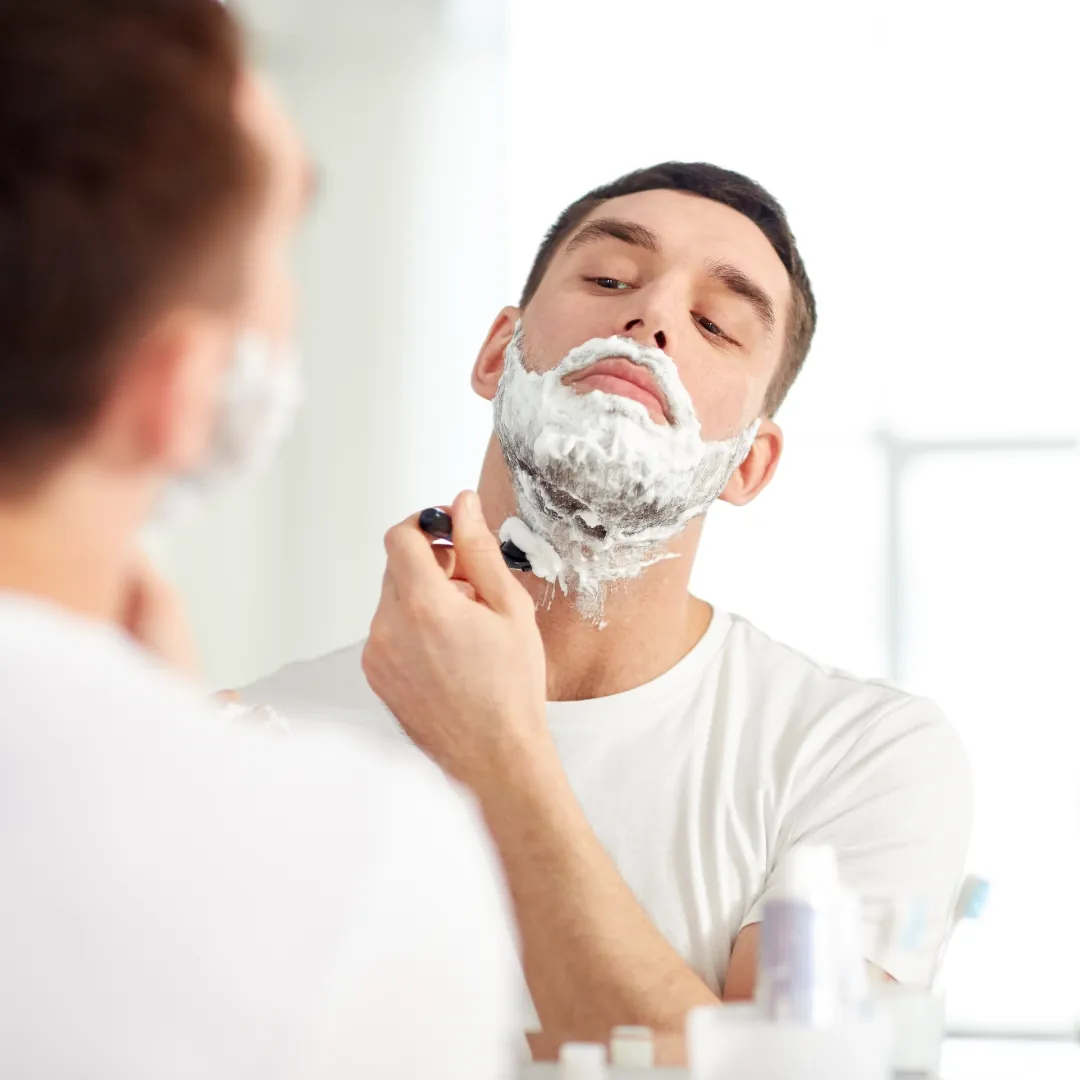
Your razor doesn’t just cut hair. It scrapes away the top layer of skin cells too. That leaves tiny cuts you can’t always see, and your nerve endings sit right under them.
Sulfate detergents strip away the natural oils that protect those cuts. If the burning lasts more than 30 minutes after washing, check the ingredient list on your bottle for sodium lauryl sulfate.
Wash with a non-foaming hydrating cleanser
This fix is for anyone whose skin feels tight or stings right after they rinse off their shaving cream.
Wet your face with cool water first. Hot water dilates blood vessels and makes the sting worse. Pump one coin-sized amount of a hydrating cleanser into your wet hands. Rub them together once, then press your palms flat against your cheeks, forehead and chin.
Move in slow circles for exactly 20 seconds. Don’t scrub. Rinse with cool water until your fingers don’t feel slippery anymore. Pat dry with a clean towel instead of dragging it across your face. Your skin should feel soft, not squeaky.
Switch to a fragrance-free gel wash
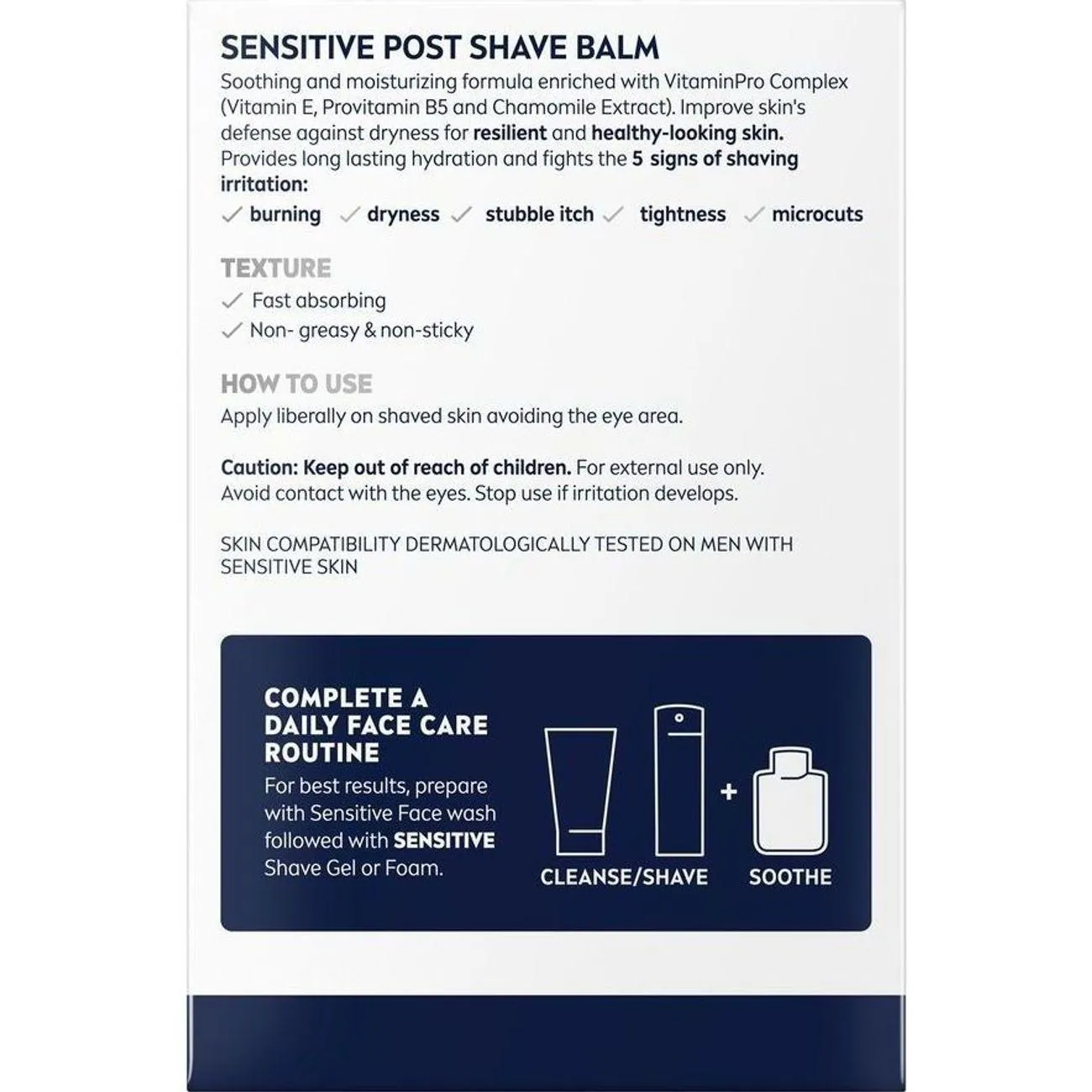
If you prefer a wash that rinses completely clean but still won’t sting, pick a clear gel formula with zero added fragrance.
Pump two drops onto wet fingertips. Gently spread it over your jawline and neck, where razors usually drag the hardest. Spend 15 seconds moving the gel around. You won’t see big bubbles, and that’s exactly what you want. Rinse thoroughly with lukewarm water. Check the label for hidden fragrance ingredients like “limonene” or “linalool.”
Use a micellar water instead of tap water
This step is worth the extra time only if tap water itself makes your freshly shaved face turn red.
Soak a soft cotton pad until it’s fully wet but not dripping. Hold it flat against your cheek for three seconds, then wipe slowly outward toward your ear. Use a fresh pad for your chin, neck and forehead. Don’t go back over the same spot twice.
You don’t need to rinse it off. This method costs more per week than a pump bottle, so save it for days when your skin is actually broken or bleeding. If you’re dealing with deep, pus-filled bumps after shaving, stop washing at home and see a dermatologist, as that points to an infection needing prescription treatment.
Things that make shaving irritation worse
- Using bar soap on your face. Bar soaps have a high pH that breaks down the acid mantle protecting your fresh cuts.
- Scrubbing with a washcloth. The rough texture catches on micro-cuts and tears the healing edges apart again.
- Washing with hot water. Heat expands blood vessels near the surface, making the red patches look angrier and last longer.
- Applying alcohol-based toners right after. Alcohol kills bacteria, but it severely dries out and irritates the fresh razor wounds, delaying healing.
The FDA regulates cosmetic labeling so you can verify what’s actually inside your wash before putting it on broken skin.
Keeping your skin calm after shaving

You can stop the burning before it starts by changing how you handle your face right after the razor passes.
| If you’re doing this | Do this instead | Why |
|---|---|---|
| Splashing hot water to rinse | Using cool water only | Cool water shrinks blood vessels and calms redness fast |
| Rubbing your towel back and forth | Pressing it gently against your skin | Dragging fabric reopens the tiny cuts your blade just made |
| Washing twice to feel cleaner | Cleansing just one time | A second wash strips the protective oils your skin needs to heal |
| Picking a cleanser by its scent | Checking the label for “fragrance-free” | Added perfumes are the top trigger for contact dermatitis on raw skin |
| Leaving your razor wet on the sink | Drying the blade after every shave | Wet blades harbor bacteria that can enter micro-cuts and cause infection |
Frequently asked questions
Can I use my regular face wash after shaving?
No, not if it foams heavily or contains fragrance. Standard face washes often contain sulfates that strip the oils your skin needs to heal micro-cuts. Switch to a fragrance-free, non-foaming formula on the days you shave to avoid extra burning.
Why does my skin get red bumps after I shave?
Red bumps happen when bacteria enter the tiny cuts left by your razor blade. This condition is called folliculitis. A gentle, pH-balanced cleanser removes bacteria without irritating open pores.
How long does post-shave irritation usually last?
Mild redness fades in 1 to 2 hours if you wash with cool water and a gentle cleanser. Deep razor burn can take 2 to 3 days to disappear. If it stays hot and swollen past 48 hours, see a doctor.
Is it safe to wash my face immediately after shaving?
Yes, but you must use cool water and a mild cleanser. Waiting even five minutes lets the micro-cuts start closing naturally. Never apply harsh soaps to freshly shaved skin, as the compromised barrier allows irritants to penetrate.
What happens if I skip washing my face after shaving?
Skipping your wash leaves shaving cream residue, dead skin and bacteria sitting inside your open pores. That buildup leads to clogged follicles and painful breakouts by the next morning. A quick, gentle rinse prevents this entirely.
How much cleanser should I use on shaved skin?
One coin-sized drop is enough for your whole face.
Conclusion
Pick one of these washes and keep your water cool. The exact number of days your redness takes to fade depends on how deep your razor cuts are and your own skin’s healing speed, which you can track by checking your jawline in the mirror each morning. Once the stinging stops, you’ll know you’ve found the right routine for your face.

- Skincare Problems and Solutions - October 15, 2026
- How to Skincare Tips at Home - October 14, 2026
- Best Dry Skin Moisturizer Face - October 13, 2026