
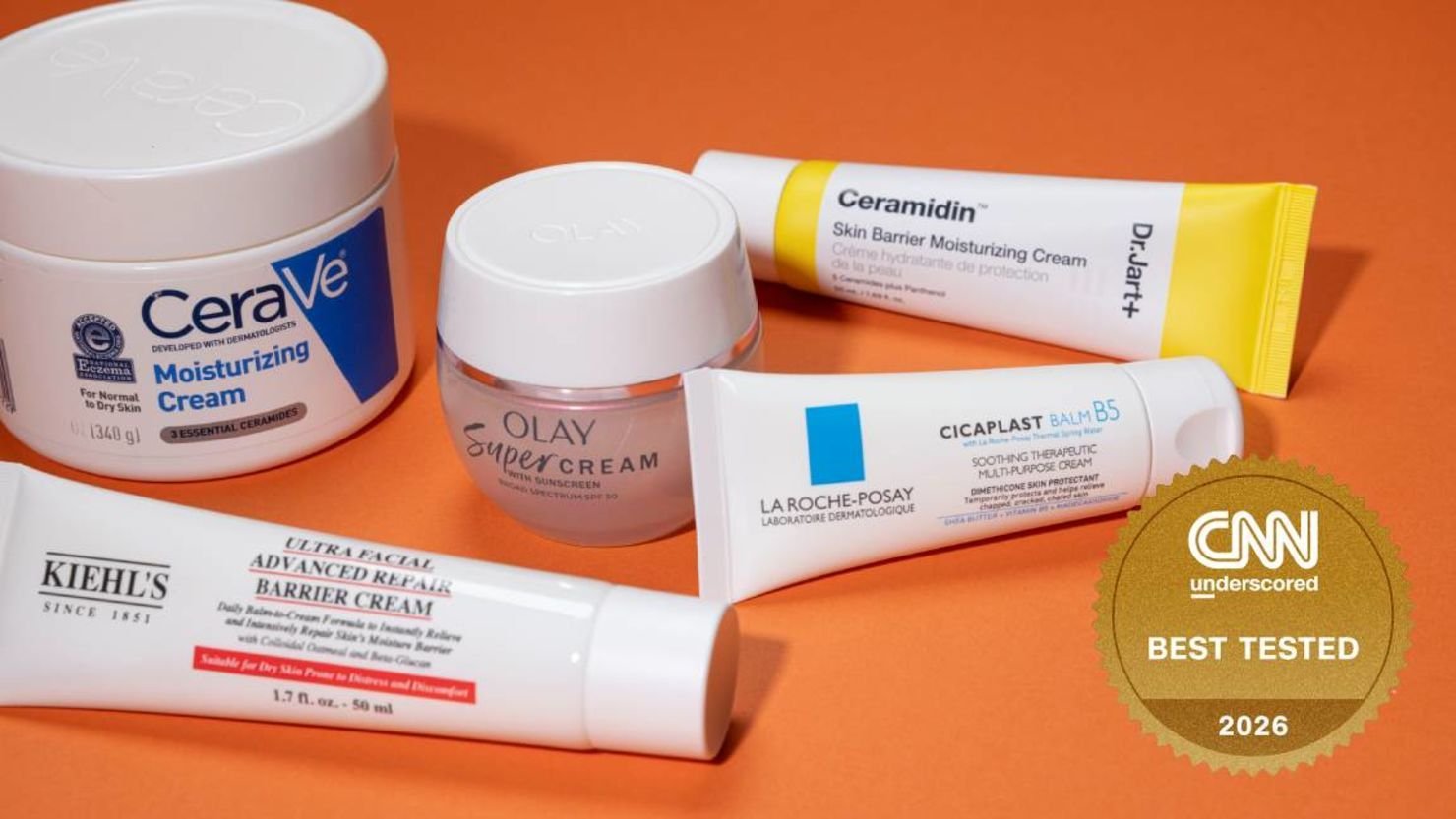
The best moisturizer for sensitive skin combines ceramides, niacinamide, and hyaluronic acid. Look for products labeled “non-comedogenic” to avoid clogged pores while addressing dryness and inflammation simultaneously.
What ingredients actually work for sensitive skin?
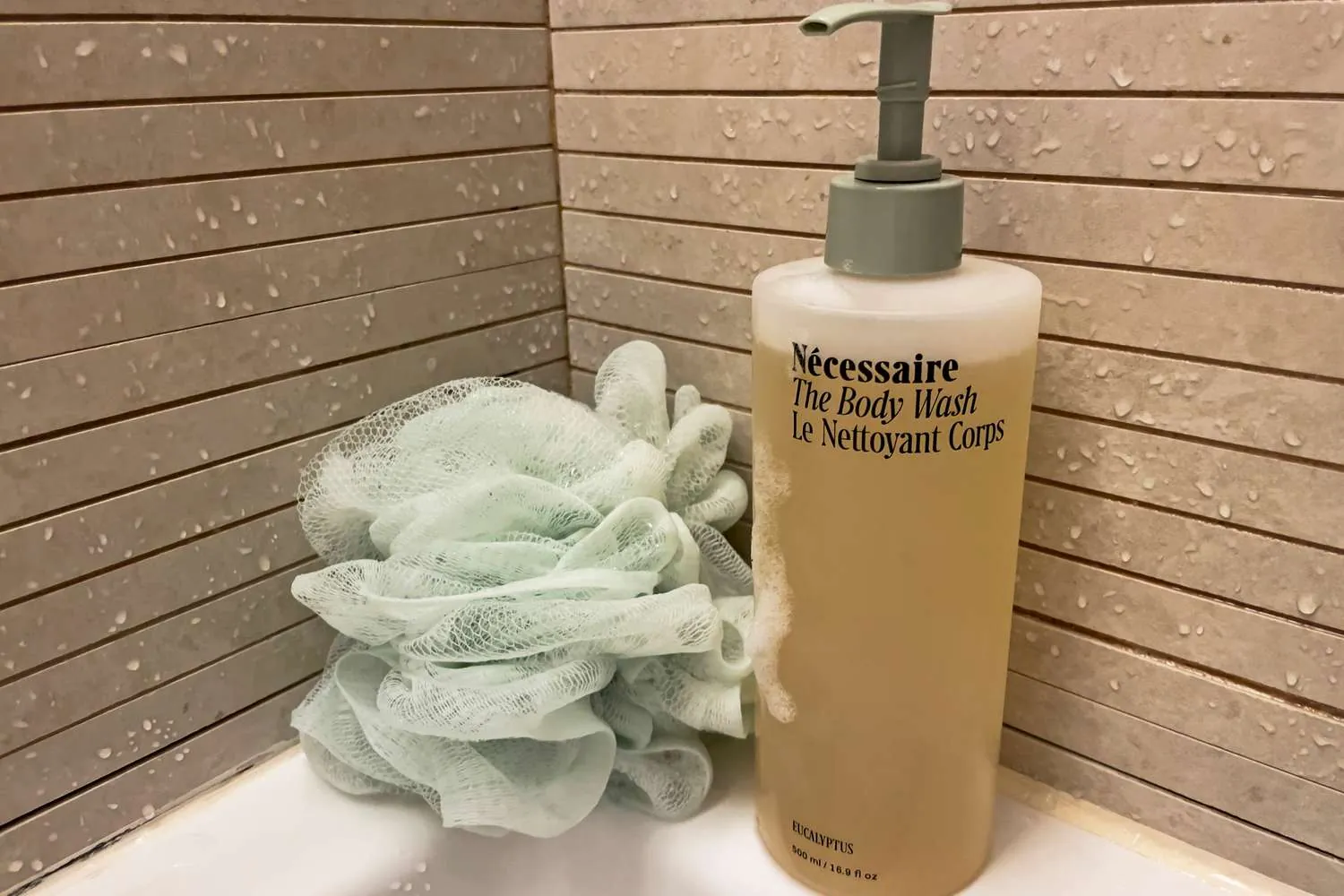
Sensitive skin needs soothing ingredients, not stimulants.
Avoid alcohol, synthetic fragrances, and essential oils, as these commonly cause stinging or redness. The National Eczema Association maintains a list of accepted products that meet strict safety standards for reactive skin. Checking this list ensures your choice avoids known triggers like methylisothiazolinone or formaldehyde releasers.
Tip: Patch test any new product behind your ear for 48 hours before applying it to your face. This simple step prevents widespread reactions from hidden irritants.
How do single and multi-benefit formulas compare?
Multi-benefit moisturizers combine hydration and treatment but require careful selection.
| Feature | Multi-Benefit Moisturizer | Single-Ingredient Cream |
|---|---|---|
| Steps | One step (hydrate + treat) | Two or more steps |
| Irritation Risk | Low if formulated correctly | Higher due to layering |
| Cost | Moderate to high | Variable, often lower |
| Best For | Daily maintenance and repair | Targeted, severe flare-ups |
Choose a multi-benefit option if your skin tolerates combination formulas well. Adding too many actives at once can overwhelm a compromised barrier. Simplicity often yields better long-term results for reactive types.
When should you see a dermatologist?
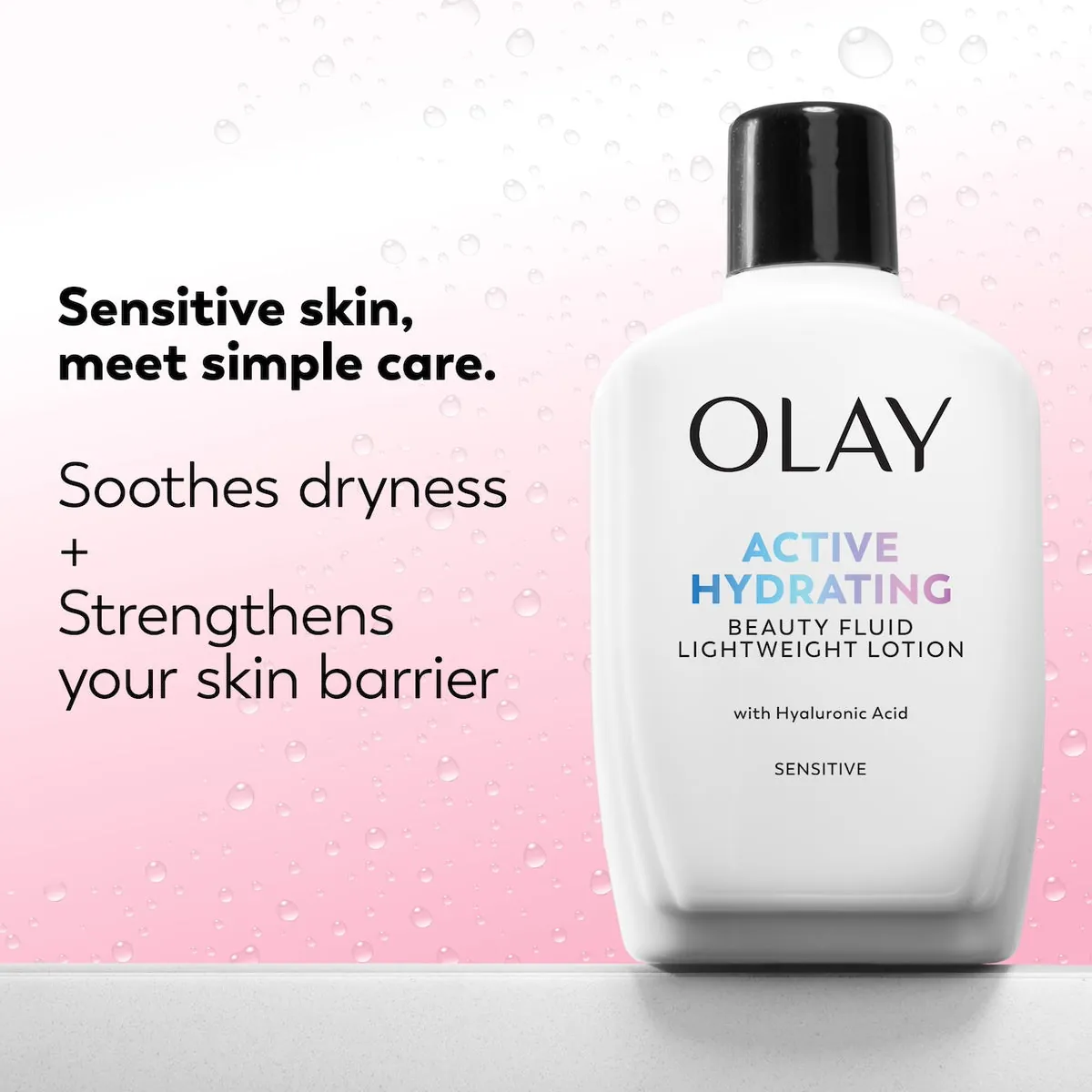
Home care works for mild dryness or occasional redness, but persistent issues need professional assessment. If your skin burns upon application of even the gentlest products, you may have contact dermatitis or rosacea. These conditions require prescription treatments like topical calcineurin inhibitors or specific antibiotics.
Don’t self-diagnose severe swelling, oozing, or pain. A dermatologist can perform patch testing to identify specific allergens. Over-the-counter solutions can’t fix underlying immune responses or genetic barrier defects. Seeking help early prevents chronic damage and scarring. Trust your instincts if a product feels wrong, even if reviews claim it’s safe.
Related guides
- Best Moisturizer for Glowing Skin
- 7 Best Cleansers for Ultra-Sensitive Skin Care
- 8 Best Gentle Cleansers That Are Safe for Sensitive Skin
Frequently Asked Questions
Can I use retinol with sensitive skin?
Yes, but start with low concentrations (0.25%) and buffer it with moisturizer. Retinol increases sensitivity, so apply it only at night. Always wear sunscreen during the day to protect compromised skin from UV damage.
Is natural always better for sensitive skin?
No, natural ingredients like citrus oils or lavender often cause allergic reactions. Synthetic ingredients are frequently purer and more stable. Focus on clinical testing rather than marketing claims about being “all-natural” or “organic.”
How often should I moisturize?
Twice daily is standard, but adjust based on your environment. Dry climates or heated rooms may require mid-day reapplication. Listen to your skin’s tightness cues rather than sticking to a rigid schedule.
Conclusion
Select a fragrance-free moisturizer with ceramides and niacinamide to simplify your routine while protecting your barrier. Stick to one product for at least four weeks to judge its effectiveness accurately. Consistency matters more than switching brands frequently.

- Skincare Problems and Solutions - October 15, 2026
- How to Skincare Tips at Home - October 14, 2026
- Best Dry Skin Moisturizer Face - October 13, 2026