
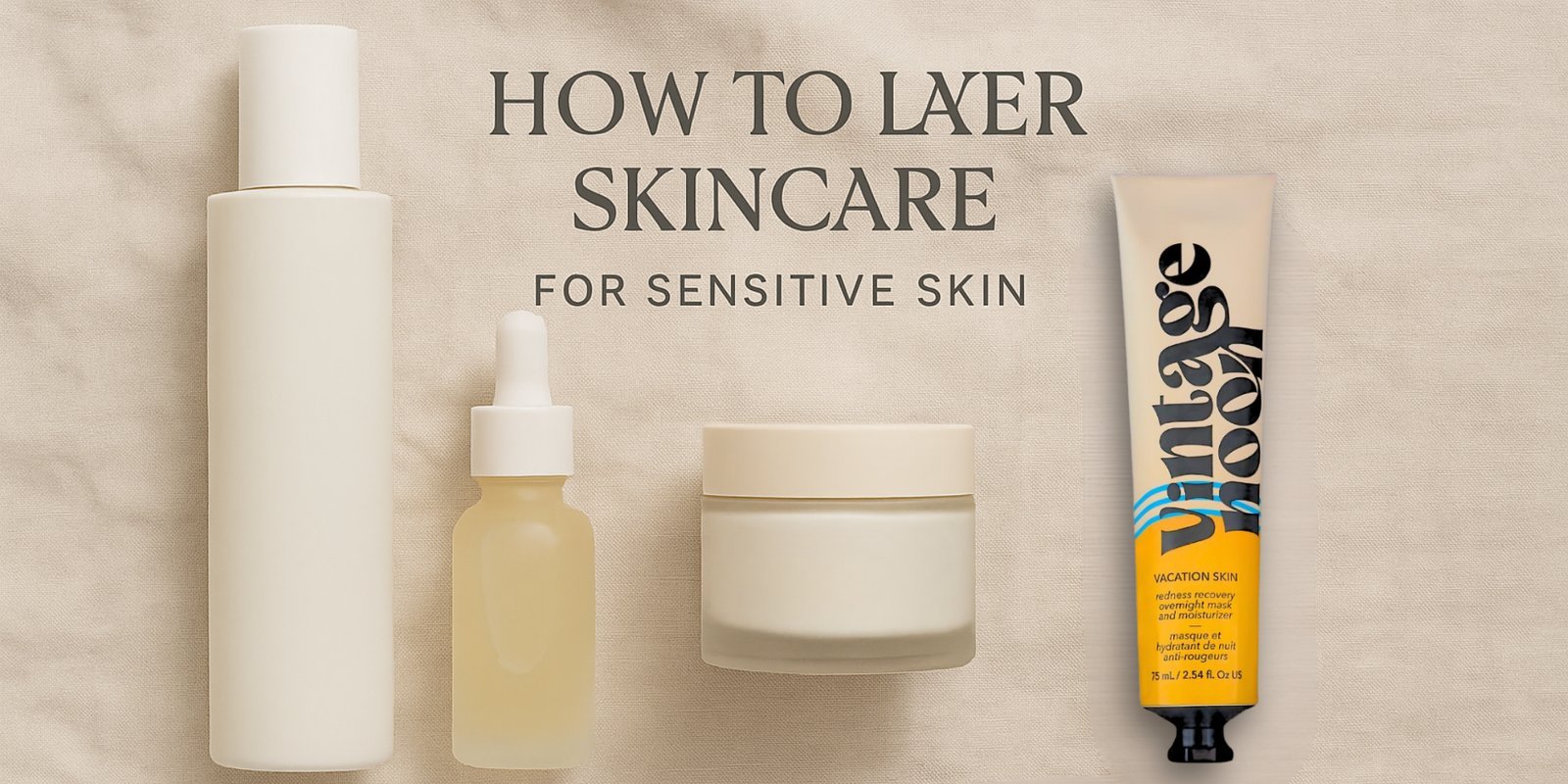
Start with one active ingredient to build tolerance. Wait two weeks before adding another product. Apply water-based serums before thicker creams. Use sunscreen in the morning to protect sensitized skin. This suits beginners or reactive skin types.
What you need to layer actives without irritation
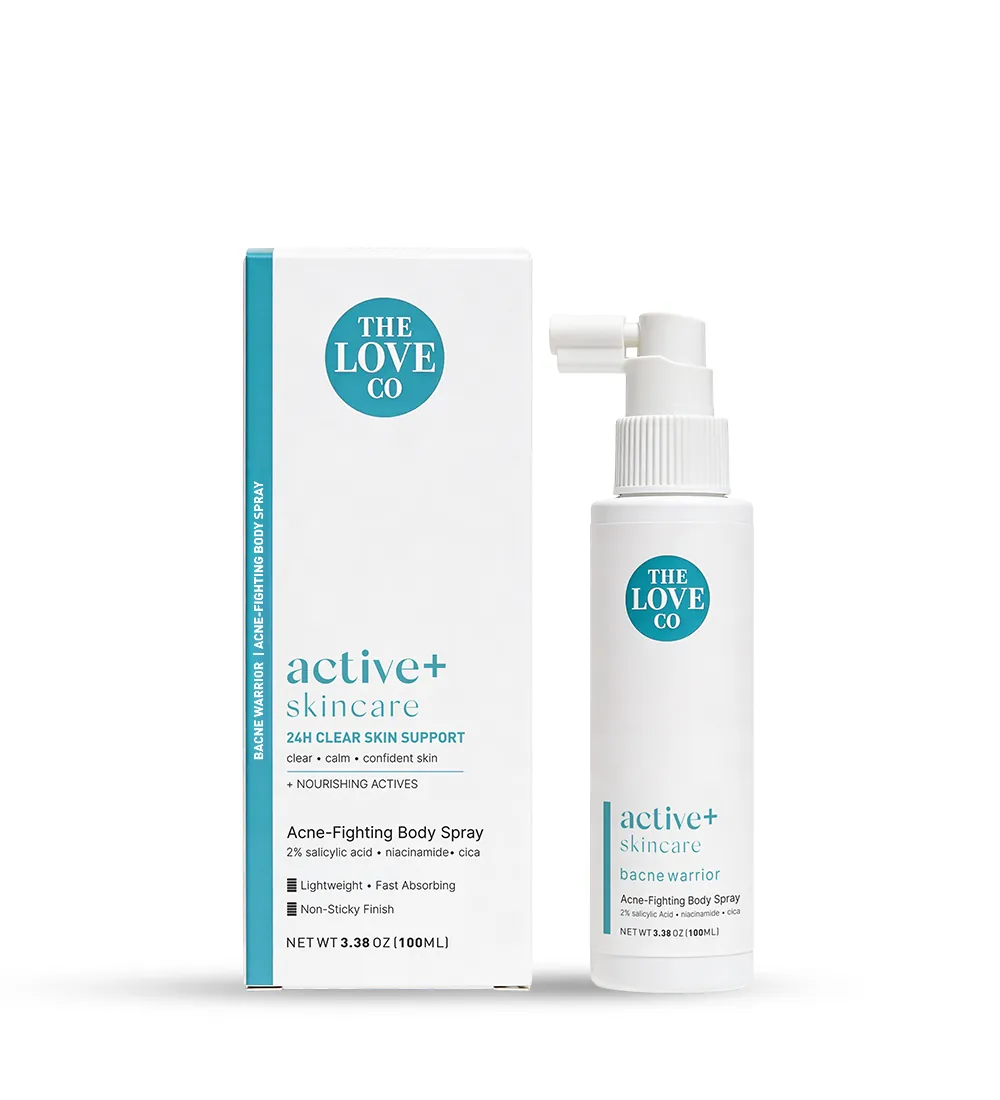
You can’t mix products randomly.
- Gentle cleanser: Choose a pH-balanced formula that doesn’t strip natural oils. Avoid scrubs or high-foam washes.
- pH strips: These help you check if your toner or serum is acidic. Acidic products must go on first.
- Moisturizer: Pick a basic cream with ceramides or hyaluronic acid. It seals in the actives.
- Sunscreen (SPF 30+): Actives make skin sensitive to sun. You must wear this every morning.
- Patch test kit: Use a small bandage to test new products behind your ear.
Apply subsequent products once the previous layer dries. Don’t substitute essential oils for moisturizers. Consult a dermatologist if you have eczema or rosacea before starting.
Step-by-step application order
Follow this sequence to minimize conflict between ingredients.
Cleanse your face. Use lukewarm water and a gentle hand motion. Pat dry with a clean towel. Don’t rub.
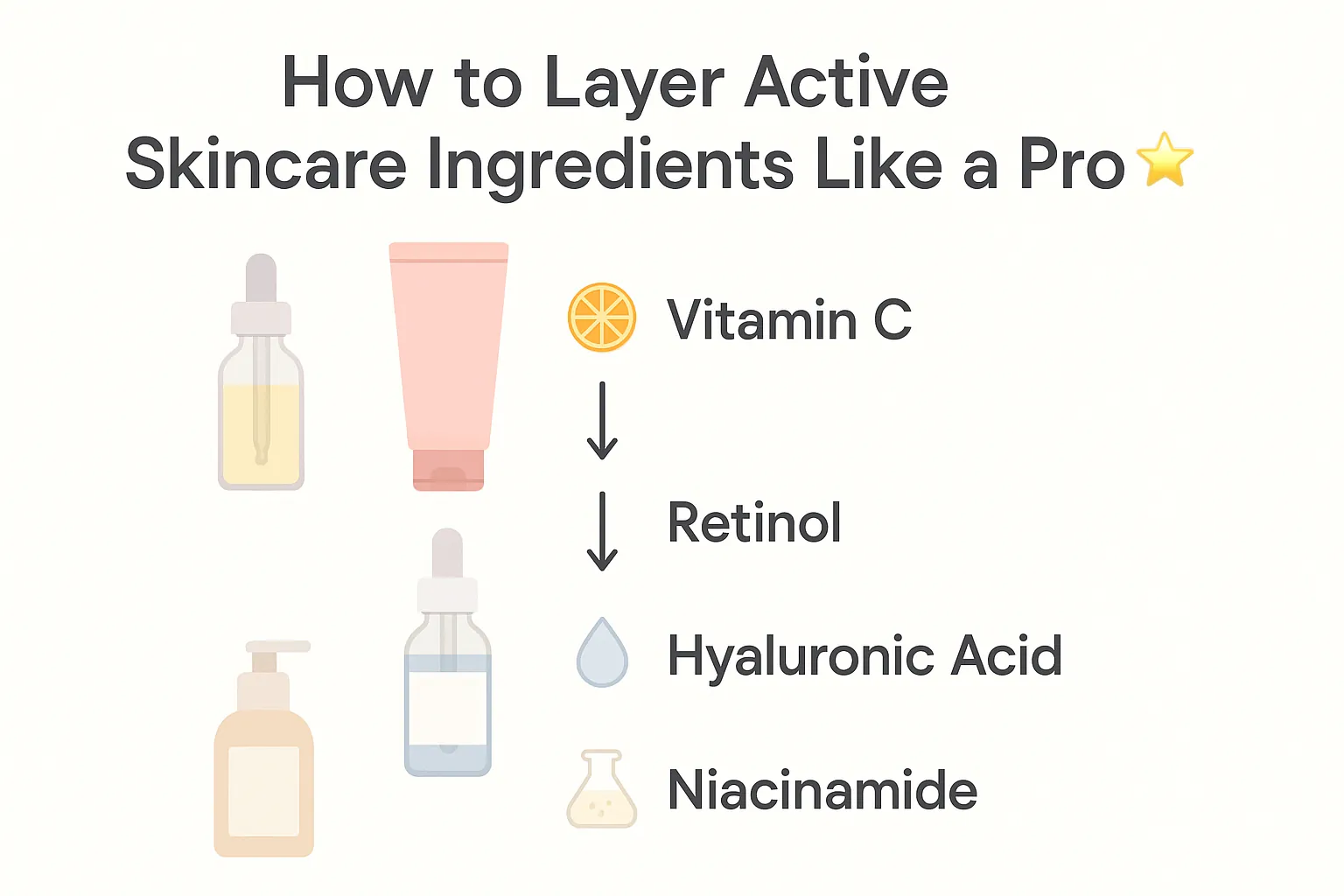
Tip: If your skin feels tight after washing, your cleanser is too strong. Switch to a milky or cream formula.Apply water-based actives. Put on vitamin C or hyaluronic acid serums first. These are thin and absorb quickly. Use two drops for the whole face.
Wait for absorption. Let the serum sink in for 60 seconds. Your skin should feel tacky, not wet. This prevents dilution of the next product.
Apply treatment actives. Use retinoids or exfoliating acids now. Start with a pea-sized amount for retinoids. Apply only twice a week at first.
Careful: Never apply retinoids to damp skin. Water increases penetration and burning. Ensure your face is dry.Seal with moisturizer. Apply a thicker cream to lock everything in. Focus on dry areas like cheeks. This step reduces the risk of peeling.
Apply sunscreen (AM only). In the morning, finish with SPF 30 or higher. Reapply every two hours if you’re outside. This step is essential when using actives.
If you use prescription strength retinoids, ask your doctor about timing. OTC products are weaker but require caution. If you miss a night, don’t double up. Continue as normal.
Adjusting for skin type
Your skin type changes how you handle these products. Oily skin tolerates more frequent exfoliation. Dry skin needs more moisture buffers. The table below shows how to adjust your routine.
| Skin Type | Frequency | Key Adjustment | Watch For |
|---|---|---|---|
| Oily | 3-4 times/week | Use gel moisturizers | Excess oil production |
| Dry | 1-2 times/week | Buffer with oil | Flaking or tightness |
| Sensitive | Once/week | Short contact therapy | Redness or heat |
| Combination | 2 times/week | Zone treatment | Dry patches on cheeks |
It’s safer to start with low frequency and increase slowly.
Signs of successful layering
You know the routine works when your skin looks calm. Your pores look clear, and makeup sits well. You shouldn’t feel burning or itching during application.
A poor result shows as redness, stinging, or breakouts. If you see small bumps, stop all actives. Return to a basic cleanser and moisturizer until healing completes.
Safety rules and cleanup
The FDA regulates cosmetics but doesn’t approve them before sale. Check for expiration dates on active ingredients. Vitamin C oxidizes and turns brown. Throw it away if it changes color. Retinoids degrade in light. Keep them in a dark cabinet.
After applying actives, wash your hands. Clean your dropper tips with alcohol weekly.
Alternative approaches
Professional treatments
Visit a licensed esthetician for chemical peels. They use higher concentrations safely. You still need home care to maintain results.
Single-product formulas
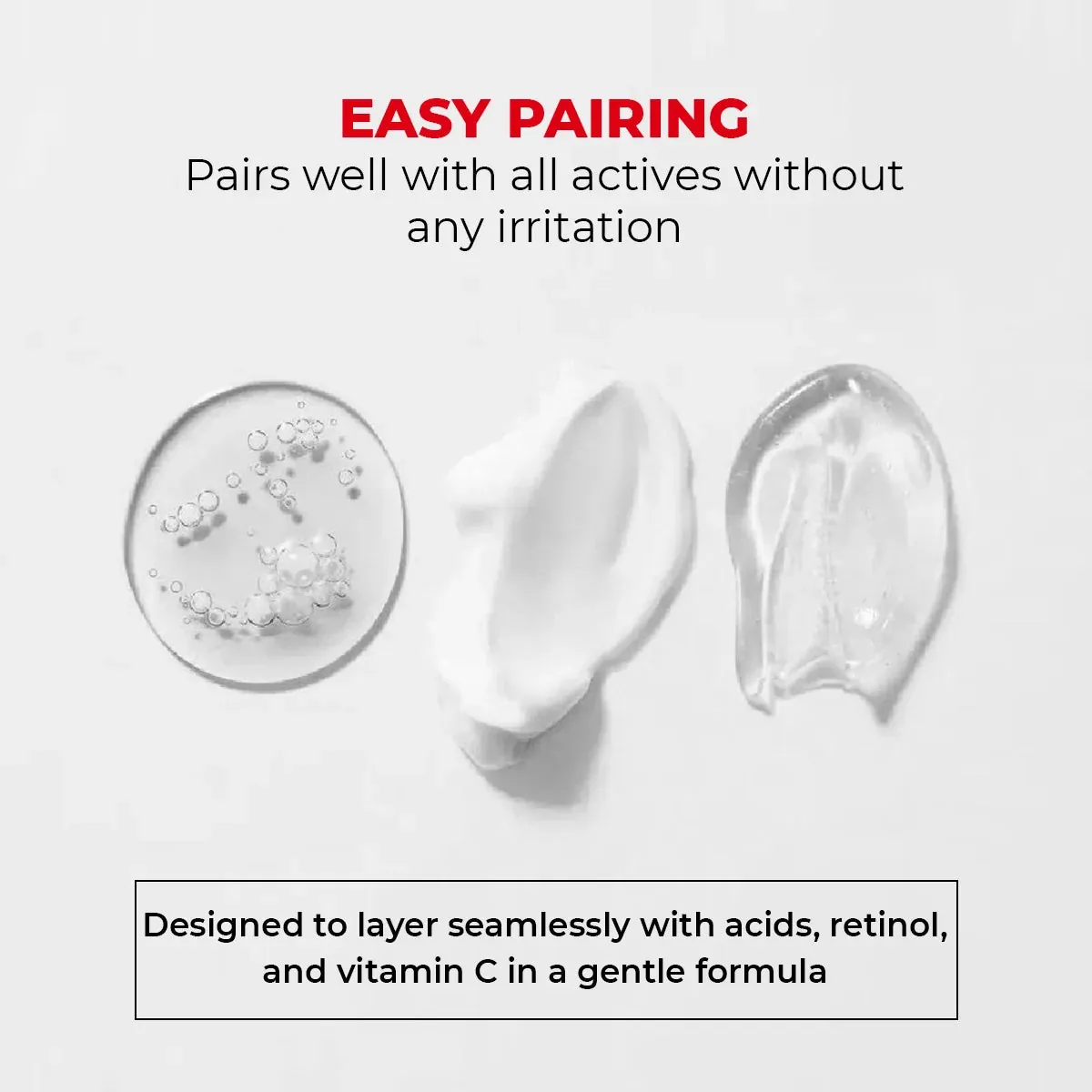
Use products that combine actives in one bottle. Brands formulate these to be stable together. This cuts down on steps and potential errors. However, you have less control over strength. It’s good for maintenance, not for targeting specific issues.
Skin cycling
Rotate actives on different nights. Use exfoliants on night one, retinoids on night two, and rest on nights three and four. This gives skin time to recover. It lowers irritation risk significantly. It requires discipline to stick to the schedule.
Frequently asked questions
Can I use vitamin C and retinol together?
No, not in the same routine. Vitamin C works best in the morning. Retinol works best at night. Using them together can cause irritation. Separate them by 12 hours for best results.
How long should I wait between layers?
Wait 60 to 90 seconds for serums. Wait until the product has dried to the touch before applying moisturizer. Rushing causes pilling and reduced effectiveness.
Is it safe to layer acids?
Only if they’re different types. Don’t mix AHAs and BHAs in the same step unless formulated together. Start with one acid type. Monitor your skin for two weeks. Mixing increases burn risk significantly.
What happens if my skin peels?
Stop all actives immediately. Use only a gentle cleanser and heavy moisturizer. Don’t pick at the skin. Wait until healing is complete. Restart with half the previous frequency. Peeling means the barrier is damaged.
Can I use niacinamide with everything?
Yes, niacinamide is generally compatible. It pairs well with hyaluronic acid and peptides. Avoid mixing high-concentration niacinamide with pure vitamin C if you’re sensitive. It may cause temporary redness. Most modern formulas are stable together.
How do I know if I am over-exfoliating?
Your skin will feel shiny but tight. It may sting when you apply water. Look for increased sensitivity to sunlight. If this happens, stop exfoliating for two weeks. Focus on hydration and barrier repair only.
Conclusion
Listen to your skin’s signals as you go. If it feels tight or red, take a break and focus on hydration instead. You’ll find that patience pays off with a healthier, glowing complexion. Trust the process, and don’t rush to add more products than your face can handle.

- Skincare Problems and Solutions - October 15, 2026
- How to Skincare Tips at Home - October 14, 2026
- Best Dry Skin Moisturizer Face - October 13, 2026