

Retinol remains the gold standard for proven collagen stimulation, while topical exosome serum vs retinol for collagen production shows that exosomes offer a newer, gentler alternative with less irritation but weaker long-term data.
Retinol vs Exosomes: Key Differences
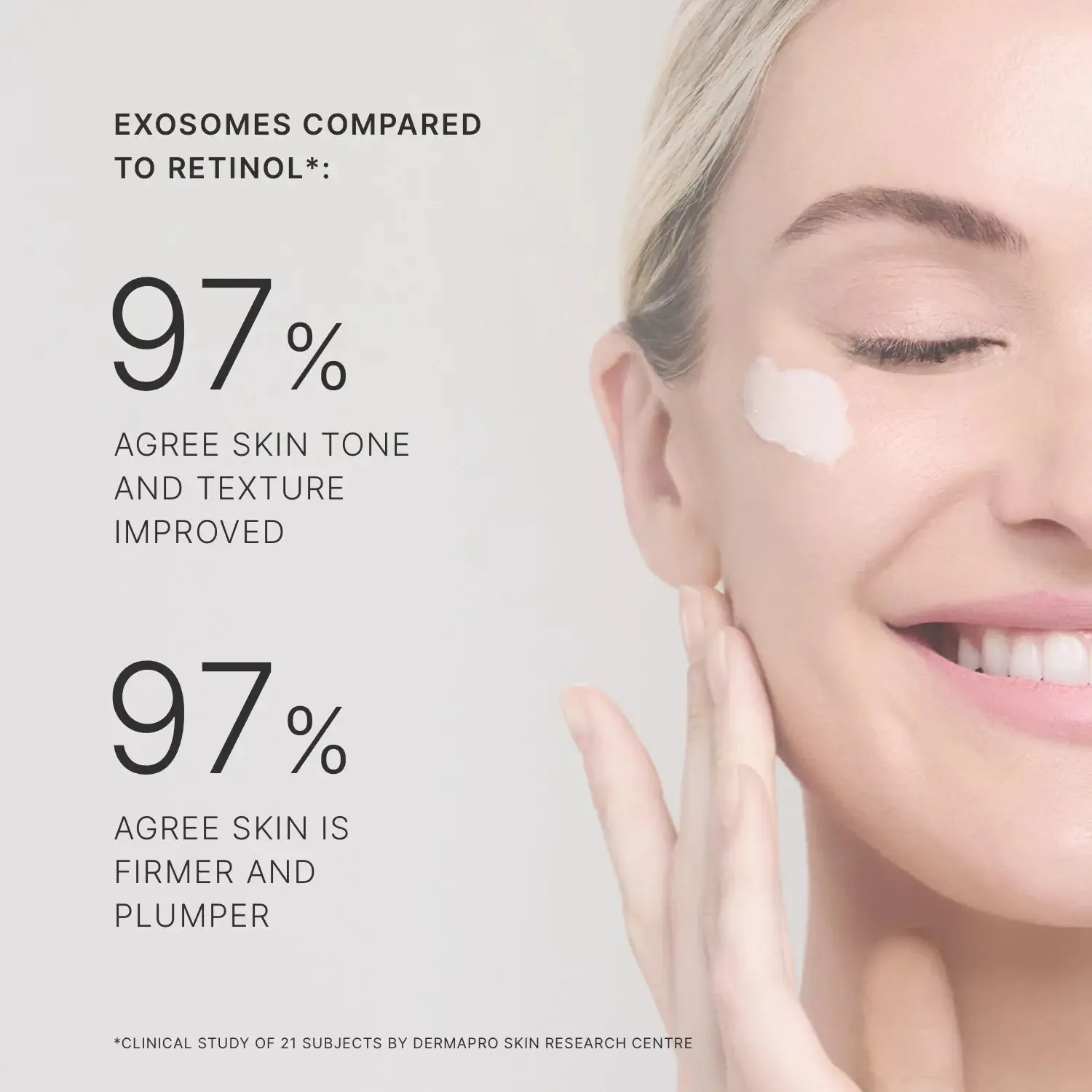
Both ingredients aim to boost collagen, but they work through different biological pathways. Retinol converts to retinoic acid in the skin, directly signaling cells to produce more collagen. Exosomes are tiny vesicles that carry growth factors and signals between cells, encouraging repair without the harsh turnover rate of retinoids.
| Method | How long | Effort | Cost | Best for |
|---|---|---|---|---|
| Retinol | 3-6 months | Medium | Low | Proven results, acne, texture |
| Peptide Blend | 3+ months | Low | Medium | Maintenance, mild aging |
| Professional Laser | Immediate | High | Very High | Deep wrinkles, scars |
Retinol requires patience to see changes in skin density. Exosomes often provide faster visual improvement in hydration, though not deep collagen restructuring. Exosome technology commands a premium price due to complex manufacturing. Retinol is widely available and stable, requiring no special storage.
Using Retinol for Collagen
Retinol is vitamin A that speeds up cell turnover.
- Cleanse your face and wait for it to dry completely.
- Apply a pea-sized amount of retinol to your entire face.
- Avoid the eye area and corners of the mouth to prevent irritation.
- Follow with a moisturizer to seal in hydration and reduce dryness.
- Use sunscreen every morning, as retinol makes skin sensitive to UV light.
This method is highly effective for deep wrinkles and acne scars. It has decades of research supporting its ability to thicken the dermis. However, it often causes redness, peeling, and dryness initially. Build tolerance slowly, starting twice a week. If severe burning or rash occurs, stop use and consult a dermatologist. Retinol is unsafe during pregnancy or breastfeeding.
Applying Exosome Serums
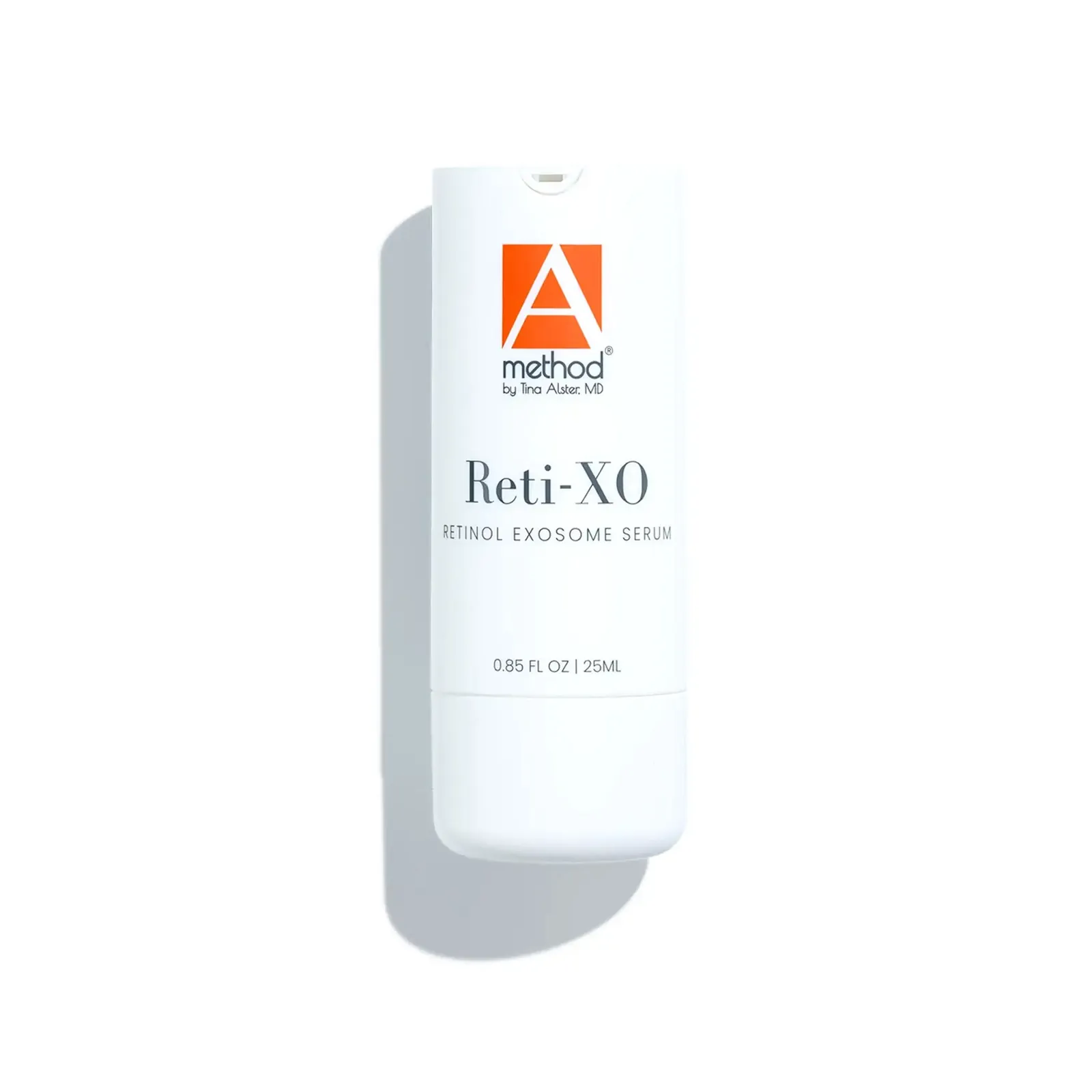
Exosome serums contain lab-created vesicles that mimic natural cell communication. They aim to support skin repair and reduce inflammation through surface-level signaling.
- Cleanse your face gently with a non-foaming cleanser.
- Apply toner if you use one, ensuring skin is damp.
- Dispense 2-3 drops of exosome serum onto your fingertips.
- Press the serum into your skin rather than rubbing it.
- Layer a hydrating moisturizer on top to lock in the active ingredients.
Exosomes calm redness and improve skin barrier function. They suit those who can’t tolerate retinol’s side effects. The main weakness is the lack of long-term, independent clinical trials. Most data comes from manufacturer-sponsored studies. Exosomes are unstable and often require refrigeration or specific packaging. Check storage instructions, as heat can destroy active vesicles.
Choosing the Right Method
Your choice depends on your skin’s current state and your goals. If you have resilient skin and want maximum anti-aging benefits, retinol is the superior choice.
For first-time users with sensitive skin, start with exosomes. They pose almost no risk of irritation or purging. For best results regardless of cost, combine both. Use retinol at night and exosomes in the morning, after skin adjusts. Never introduce both simultaneously, making irritation sources hard to identify.
Safety and Storage Rules
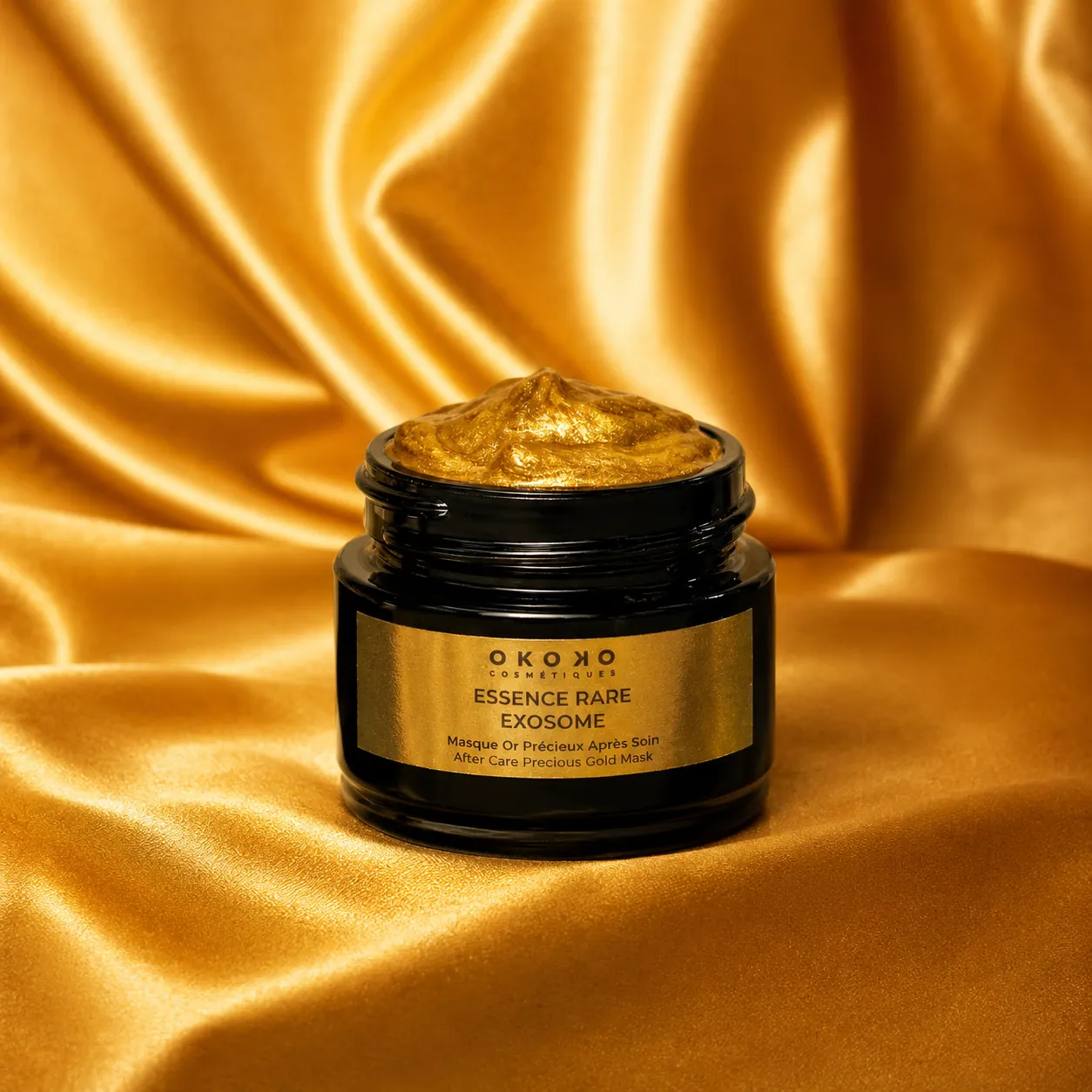
Regardless of which method you choose, daily sun protection is essential. The American Academy of Dermatology recommends broad-spectrum SPF 30 or higher daily.
Prepare your skin by keeping it hydrated. If so, pause actives and focus on moisturizing. Double cleanse daily to remove sunscreen and pollutants. This prevents clogged pores that hinder product absorption. Store exosome serums in a cool, dark place to maintain potency. Keep retinol away from light and air to prevent oxidation.
Frequently asked questions
Can I use retinol and exosomes together?
Yes, but not at the same time. Use exosomes in the morning and retinol at night. This separates their actions and reduces irritation risk. Wait at least four weeks of successful retinol use before adding exosomes to ensure your barrier is strong enough to handle both.
How long does it take to see collagen results?
Retinol takes 3 to 6 months for visible collagen changes. Exosomes may show surface improvements in 4 to 8 weeks. True structural collagen remodeling is a slow biological process. Don’t expect overnight fixes. Consistency is the most important factor for long-term success.
Exosomes are generally considered safer than retinol during pregnancy, but data is limited. Retinol is strictly banned due to birth defect risks. Always consult your obstetrician before using new skincare. Many doctors recommend sticking to simple moisturizers and sunscreen during this period to avoid unknown risks.
Why does my skin peel with retinol?
Peeling is a common side effect called “retinization.” It happens because retinol speeds up cell turnover. Your skin is shedding old layers faster than usual. To reduce this, apply moisturizer before retinol or use it every third night. If peeling is painful or bloody, stop use immediately.
What happens if I skip sunscreen?
UV rays will destroy the new collagen you’re building. This makes the treatment ineffective and can cause more damage than before. Sun exposure also increases sensitivity from retinol, leading to burns or hyperpigmentation. Daily SPF is essential to protect your investment in these products.
Are exosomes better than peptides?
Exosomes are more complex and potentially more potent than peptides. Peptides are short chains of amino acids that signal skin repair. Exosomes carry a wider range of growth factors. However, peptides are more stable and cheaper. For mild aging, peptides are a solid, low-risk option.
How do I store exosome serum?
Check the label, as many require refrigeration. Heat and light degrade the vesicles, making them inactive. If the serum changes color or smell, discard it. Retinol should be stored in a cool, dark cabinet. Air-tight pumps are best for both to prevent oxidation and contamination.
Conclusion
If your skin tolerates active ingredients well, stick with retinol for reliable results. However, if you’re dealing with sensitivity, give exosomes a try. You’ll likely find them much kinder to your barrier. Always patch test new products first, and remember that consistency is truly the key to seeing any real change.

- Skincare Problems and Solutions - October 15, 2026
- How to Skincare Tips at Home - October 14, 2026
- Best Dry Skin Moisturizer Face - October 13, 2026