
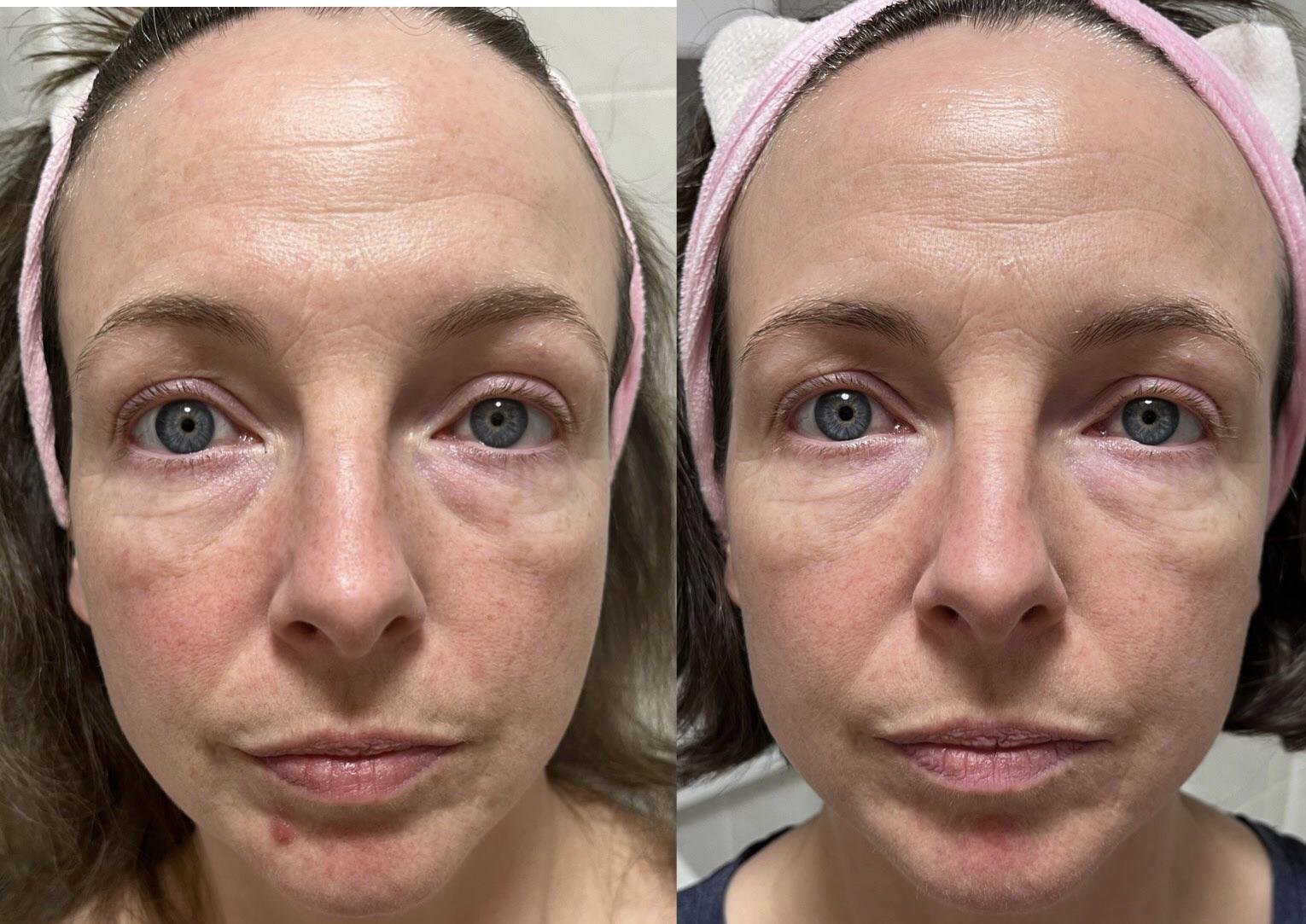
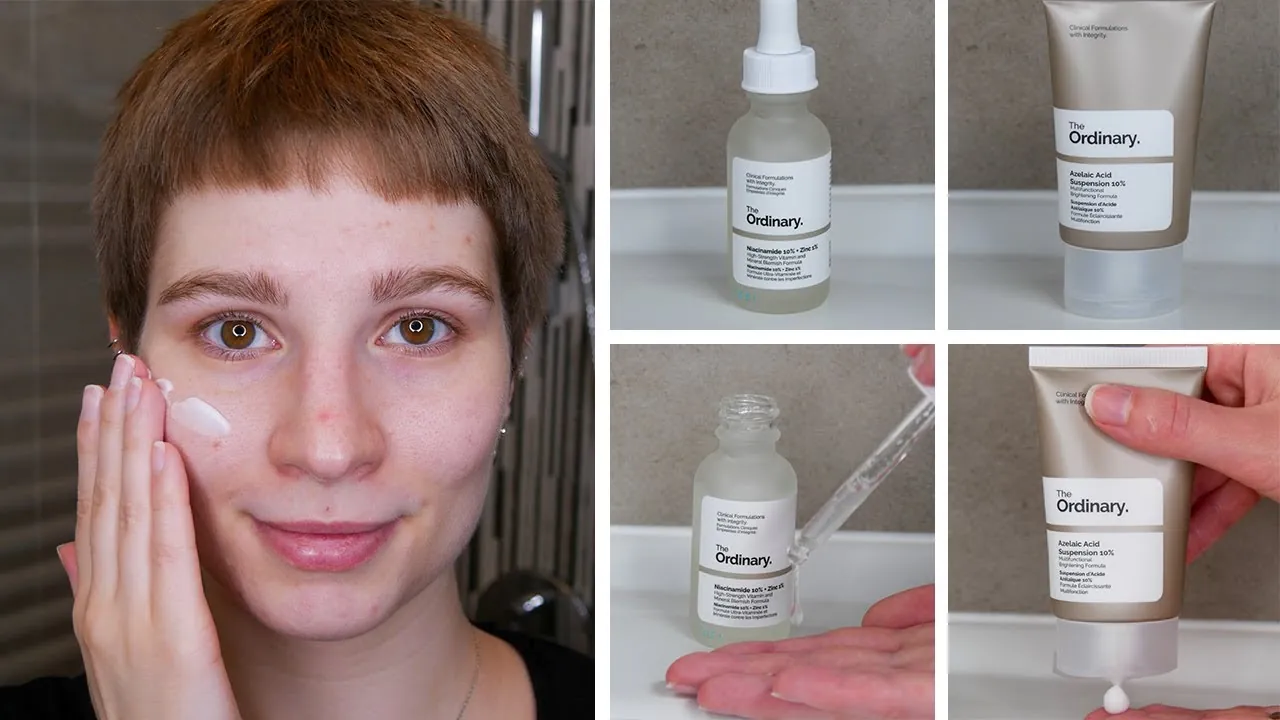
You can use azelaic acid and niacinamide together safely. This works best when your skin barrier is healthy and intact. Start with a small amount to test tolerance. Apply niacinamide first if you use separate serums, as it prepares the skin.
Who can use azelaic acid and niacinamide together
Not every skin type reacts the same way to active ingredients. Some people have sensitive skin that gets red easily. Others have tough skin that handles many products at once. You need to know where you fit before you layer these two ingredients. The table below helps you decide if this combination is right for your current skin state.
| Your situation | Answer | Why |
|---|---|---|
| Normal or oily skin | Yes | Both ingredients control oil and calm redness well. |
| Sensitive or rosacea skin | Yes | They’re gentle and reduce inflammation together. |
| Broken or irritated skin | No | Actives sting and delay healing on open wounds. |
| Using high strength retinoids | Wait | Too many actives cause peeling and dryness. |
| New to skincare routines | Yes | These two are among the safest starters. |
| Allergic to vitamin B3 | No | Niacinamide is a form of vitamin B3. |
What makes this pair safe
Azelaic acid and niacinamide work in different ways on your skin. This means they don’t fight each other or cancel out benefits. Azelaic acid kills bacteria and lowers inflammation. It also stops excess pigment from forming. Niacinamide strengthens the skin barrier. It helps your skin hold water and stay calm. Because they target different problems, they complement each other.
You get better results than using just one alone. Many dermatologists recommend this pair for acne and dark spots. They’re both stable at similar pH levels. This makes them easy to layer without special waiting times. If your skin feels tight, then use less product; if it feels fine, then keep the routine.
How to layer them correctly
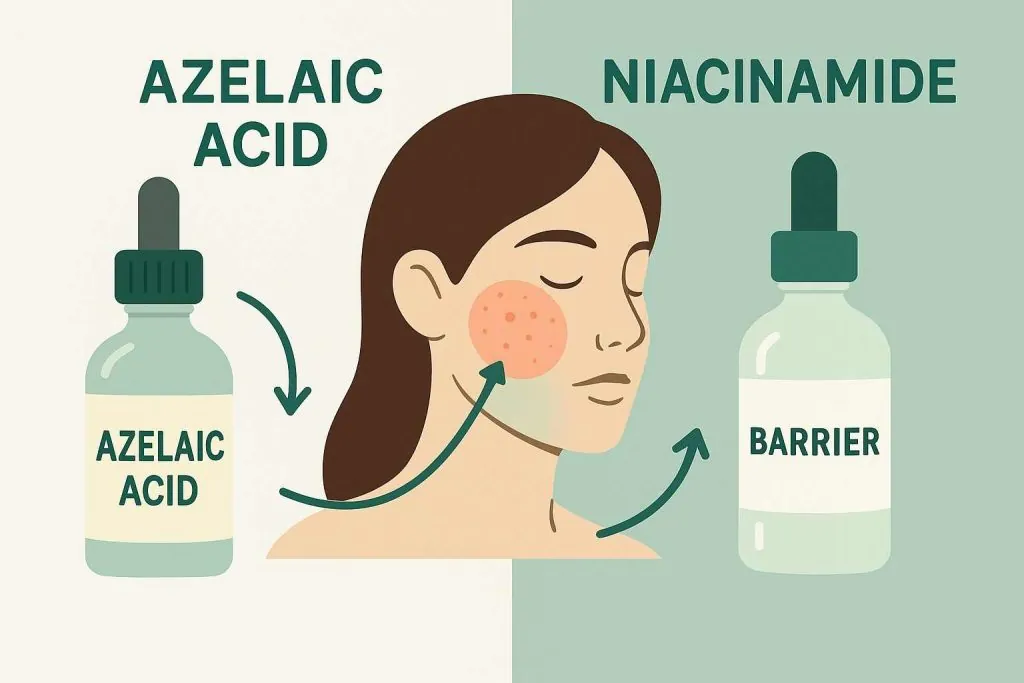
You can get the best results by applying these products in the right order. It’s simple to add them to your morning or night routine. Follow these steps to avoid irritation and get clear skin.
- Cleanse your face gently. Use a mild soap and warm water. Pat your skin dry with a clean towel. Your skin must be dry before you start.
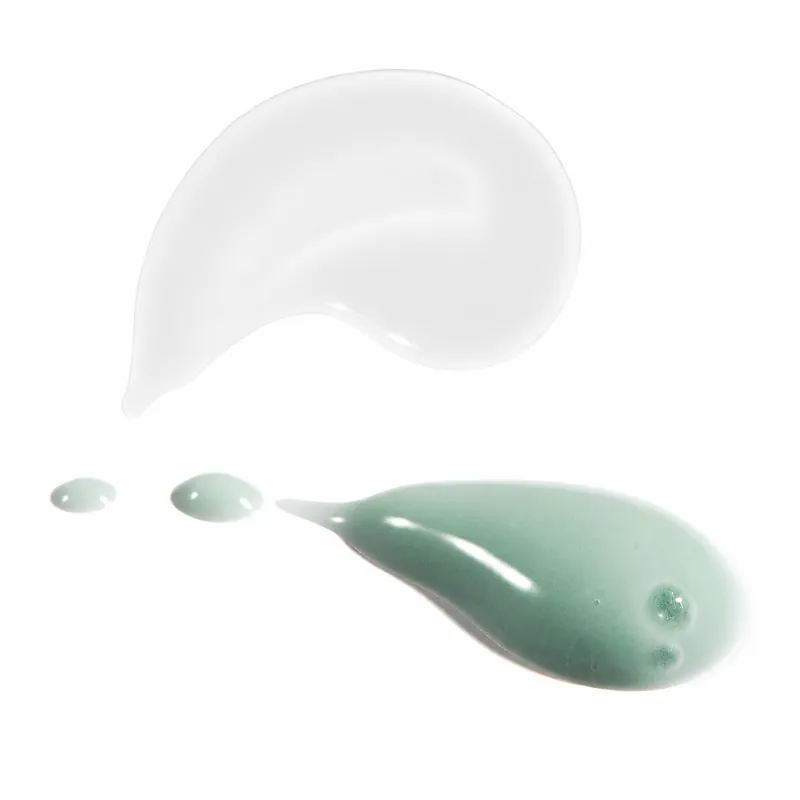
- Apply the thinner product first. Put a few drops on your face. This ingredient is lightweight and absorbs fast. It preps your skin for the next step.
- Wait one minute for absorption. Let the serum sink in fully. You’ll feel your skin soften slightly.
- Apply azelaic acid cream or gel. Use a pea-sized amount for your whole face. Spread it evenly over your cheeks and forehead. Avoid the eyes and mouth area.
- Seal with a moisturizer. This locks in the actives and hydrates skin. It also reduces any chance of dryness. Your skin should feel supple, not greasy.
The layering order mistake
People often apply thick creams before thin serums. This blocks the active ingredients from reaching your skin. The niacinamide sits on top and does nothing. You waste money and see no change in your skin. It costs you weeks of progress because the products can’t work.
To fix this, always check the texture of your products. Thin, watery liquids go on first. Thick creams and gels go on last. This simple rule ensures every ingredient penetrates deep enough to help. Check the bottle label for texture clues if you’re unsure.
When to stop and seek help
Sometimes your skin tells you to stop. You must listen to these warning signs to prevent damage.
- Burning that lasts more than five minutes. This means your barrier is damaged. Wash it off and see a doctor.
- Swelling around the eyes or lips. This is an allergic reaction. Go to urgent care immediately.
- Heavy peeling or cracking skin. You’re using too much product. Stop all actives and use only moisturizer.
- Rash that spreads across your face. This isn’t normal purging. A dermatologist needs to check this.
A licensed dermatologist handles severe reactions properly. Don’t try to treat severe allergies at home.
Frequently asked questions
Can I use them in the same routine?
Yes, you can use them together in the same routine. They’re compatible and safe for most skin types. Apply the thinner serum first, then the thicker cream. This order helps both absorb well without irritation.
Does niacinamide cancel out azelaic acid?
No, niacinamide doesn’t cancel out azelaic acid. They work on different pathways in the skin. One fights bacteria while the other repairs the barrier. Using them together often gives better results for acne.
How long until I see results?
You usually see results in four to eight weeks. Skin cell turnover takes time, so allow your skin to adjust gradually. Consistent daily use gives the best chance for clear skin. Don’t expect overnight changes from these gentle actives.
Is it safe for pregnant women?
Azelaic acid is generally considered safe during pregnancy. Niacinamide is also safe for most expecting mothers. However, you must ask your obstetrician before starting. They know your specific health history and risks.
What happens if my skin stings?
Mild tingling is normal at first. If it burns or turns red, wash it off. You may be using too much or too often. Reduce frequency to every other day until skin adapts.
Does it matter which brand I buy?
The concentration matters more than the brand name. Look for well-formulated products, often containing 2-5% niacinamide and 10-15% azelaic acid. Higher percentages don’t always mean better results. Stick to reputable brands that list all ingredients clearly.
Start slow and watch skin
Begin with this combination every other night to test tolerance. You should see calmer, clearer skin within a month. The sign it’s working is less redness and fewer breakouts. If you feel persistent burning or see a rash, stop using both products and consult a dermatologist for advice.

- Skincare Problems and Solutions - October 15, 2026
- How to Skincare Tips at Home - October 14, 2026
- Best Dry Skin Moisturizer Face - October 13, 2026