

A basic skincare starter kit needs a gentle cleanser, a moisturizer, and a sunscreen. Building a starter kit takes about ten minutes once you know your skin type. It costs between $30 and $60 for drugstore options. Know if your skin is oily, dry, or sensitive before buying.
What you need for a skincare starter kit

These are the only items that belong in a simple routine. If your skin is oily, pick gel formulas; if it’s dry, choose creams.
| Item | How much | Why it’s needed | A substitute |
|---|---|---|---|
| Gentle cleanser | 4 to 8 ounces | Removes dirt without stripping oils | Plain water in the morning |
| Moisturizer | 1.7 to 3 ounces | Keeps the skin barrier strong | none — don’t swap this |
| Sunscreen SPF 30+ | 1.5 to 3 ounces | Blocks UV rays that age skin | none — don’t swap this |
| Cotton pads | 1 pack of 50 | Wipes off makeup before washing | Clean soft washcloth |
| Small mirror | 1 standard size | Helps check coverage evenly | Phone front camera |
| Travel bottles | 2 ounce capacity | Lets you test amounts first | Empty clean jars |
Before you start your skincare routine
Clear your bathroom counter so you don’t knock bottles over. Throw away expired products.
- Turn off hot water; use lukewarm instead.
- Remove all makeup with a cotton pad first.
- Tie hair back so it doesn’t touch your face.
- Wash your hands with soap for 20 seconds.
Check your current products for active ingredients like retinol or acids. Mixing those with a new routine causes redness and peeling. If your skin burns, blisters, or breaks out in hives, stop everything and see a dermatologist. Don’t try to treat a chemical reaction yourself.
Steps to build your skincare routine
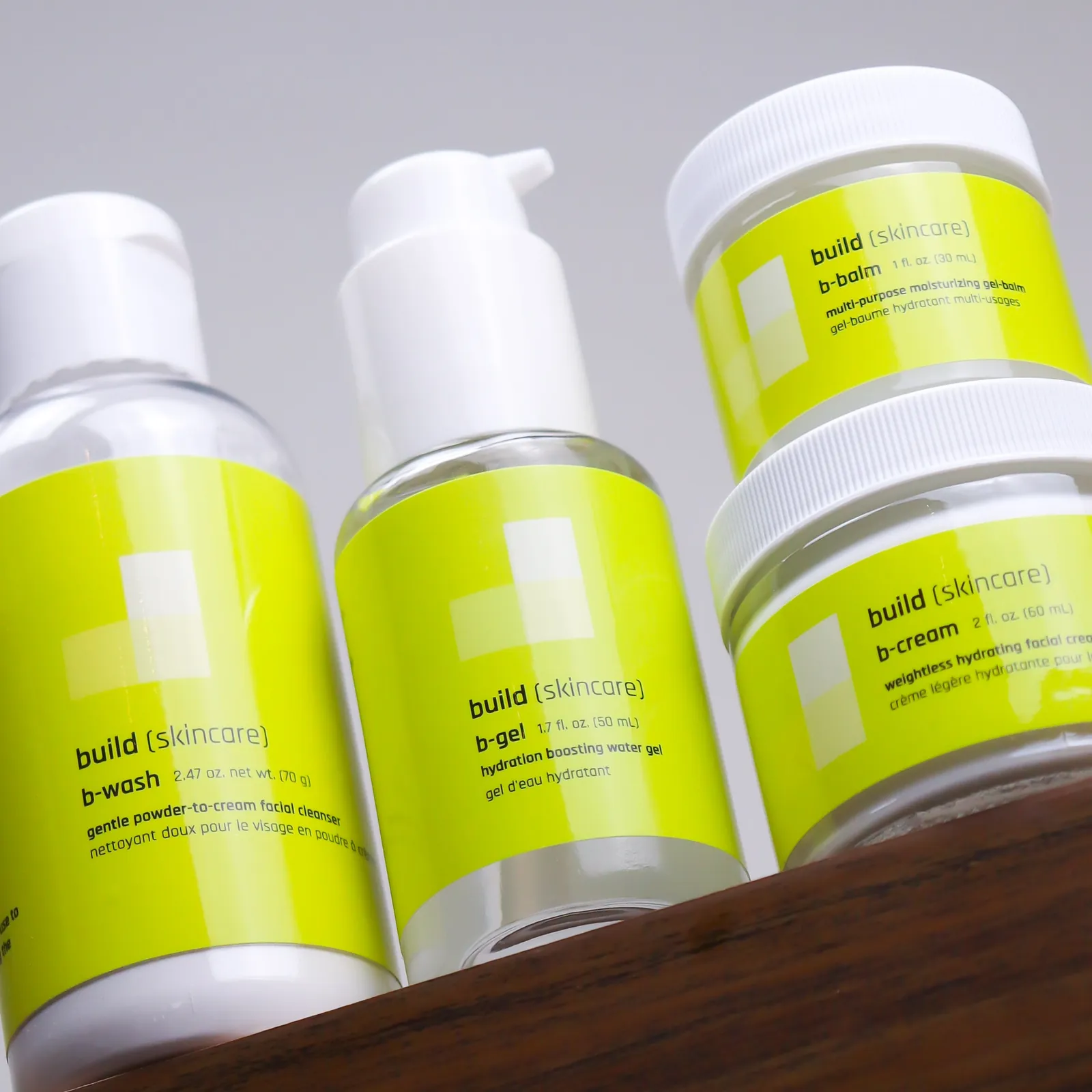
Follow these steps in order.
- Splash your face with lukewarm water for five seconds to open pores slightly.
- Squeeze a dime-sized amount of cleanser onto wet fingertips.
- Massage the cleanser in circles for 60 seconds across your whole face.
- Rinse thoroughly with lukewarm water until no slippery feeling remains.
- Pat your face dry with a clean towel; don’t rub the skin.
- Apply a pea-sized amount of moisturizer while skin is still damp.
- Spread the moisturizer outward from the center of your face evenly.
- Wait two minutes for the moisturizer to absorb fully.
- Apply a nickel-sized amount of sunscreen as your final morning step.
These times assume normal room temperature. In very dry winter air, add another pea-sized drop of moisturizer at step six. At night, skip step nine entirely.
How to know your skincare kit works
Your skin should feel soft, not tight, after washing.
Check your face in natural light near a window. If your forehead shines by midday, switch to a gel moisturizer.
Sunscreen should leave no white streaks. If you see purple or grey lines, you haven’t blended enough or need a different formula. Stop using products that cause lasting redness.
Skincare problems and fixes
When something feels wrong, match the symptom to the cause below. Take a product away to fix irritation instead of adding more.
| What happened | Why | What to do |
|---|---|---|
| Skin stings after washing | Cleanser is too strong | Switch to fragrance-free formula |
| Face feels greasy by noon | Moisturizer is too heavy | Use half the amount |
| White cast from sunscreen | Wrong formula for skin tone | Try chemical sunscreen instead |
| New small red bumps | Clogged pores from layering | Stop one product for five days |
| Dry flaky patches | Not enough moisture applied | Add one more pea-sized drop |
| Eyes water constantly | Sunscreen migrated into eyes | Keep it half inch away |
How often to update your skincare kit
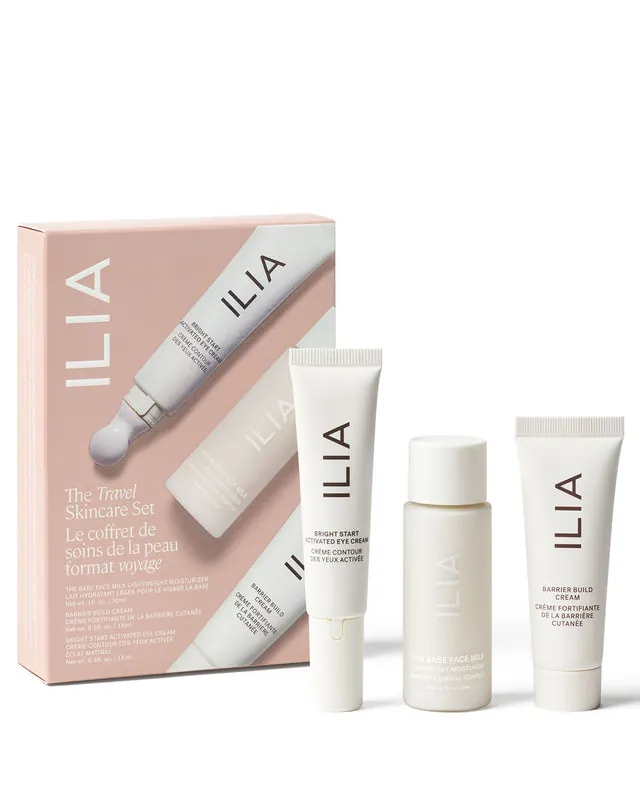
Replace your cleanser and moisturizer three months after opening. Sunscreen expires faster — check the date printed on the tube, but generally toss it after one year even if unopened.
If your skin suddenly reacts to a product you’ve used for weeks, the formula may have degraded. Write the date you open each bottle on the cap with a marker.
Don’t rotate brands monthly. Give any new kit eight weeks.
Frequently asked questions
Can I skip sunscreen on cloudy days?
No, you can’t. Up to 80% of UV rays pass through clouds according to the Skin Cancer Foundation. Apply the same nickel-sized amount every morning regardless of weather.
Why does my face sting after cleansing?
Stinging means your cleanser’s pH is too high or it contains fragrance. Switch to a formula labeled “for sensitive skin” with fewer than 15 ingredients. If stinging continues with plain water, see a doctor.
How long until I see results from a new routine?
Expect four to eight weeks for visible changes. Skin cells take roughly 28 days to replace themselves.
Is it safe to mix different brand products?
Mixing brands is fine if you avoid combining strong actives. Don’t use a salicylic acid cleanser with a retinol moisturizer. Stick to gentle basics from any brand you trust.
What happens if I use too much moisturizer?
Too much moisturizer clogs pores. A pea-sized amount covers an entire adult face. If your pillow feels greasy in the morning, you’re applying double what you need.
Does water temperature matter when washing?
Yes. Hot water strips natural oils and worsens dryness. Lukewarm water cleans effectively without damaging your skin barrier. Test it on your wrist first.
Can teenagers use this same starter kit?
They can, but they might need a cleanser with 2% salicylic acid if acne is present. The moisturizer and sunscreen stay the same. Check the product label for age recommendations before buying.
Do I need separate day and night creams?
You don’t. One basic moisturizer works for both times. Morning routines end with sunscreen; night routines stop at moisturizer. Buying two creams wastes money early on.
Conclusion
Start with these three products and nothing else. Your skin doesn’t need a ten-step routine to look healthy. Once you’ve used this kit for two months without irritation, you’ll know exactly what your skin actually needs next.

- Skincare Problems and Solutions - October 15, 2026
- How to Skincare Tips at Home - October 14, 2026
- Best Dry Skin Moisturizer Face - October 13, 2026