

A minimalist skincare routine for men with oily skin needs a gel cleanser, a lightweight moisturizer, and sunscreen. It takes about two minutes. This guide covers the exact steps, product types, and the settings that keep shine under control without drying you out.
What it actually means
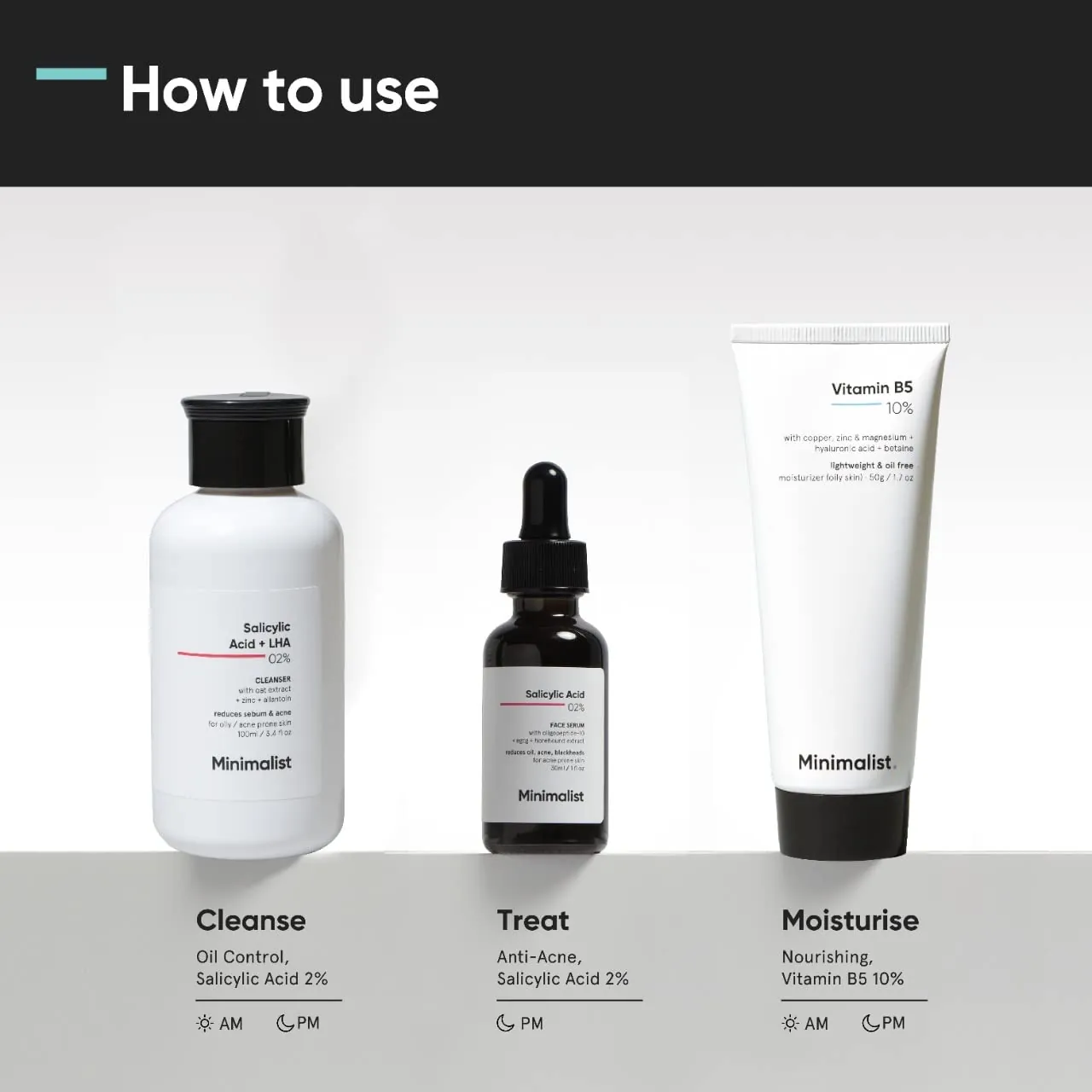
Oily skin produces extra sebum. A pared-down approach uses fewer products to manage that oil without stripping your face bare. It’s built for anyone who wants clear skin quickly.
The wrong idea here is that oily skin doesn’t need moisture.
Minimalist skincare routine steps for men with oily skin
Follow these steps every day using a gentle touch.
- Wash your face with a gel or foaming cleanser containing salicylic acid. Use lukewarm water, massage for 30 seconds, and rinse completely.
- Pat your face dry with a clean towel. Never rub, since rubbing spreads bacteria and causes irritation.
- Apply one pea-sized drop of oil-free, gel-based moisturizer. Spread it evenly across your forehead, cheeks, nose, and chin.
- In the morning, finish with a nickel-sized amount of SPF 30 mineral sunscreen. Choose a matte, non-comedogenic formula so it doesn’t feel greasy.
- At night, skip the sunscreen and stop after step three.
If your skin feels tight after washing, switch to a gentler cleanser; if it still looks shiny an hour later, add a niacinamide serum before your moisturizer.
Key numbers and settings
These are the amounts and timings you’ll rely on every single day.
| Situation | What to use | How long | What to watch for |
|---|---|---|---|
| Morning wash | Gel cleanser (salicylic acid) | 30 seconds | Tightness or stinging after rinsing |
| Morning hydration | Oil-free gel moisturizer | 1 minute to absorb | Pilling under your sunscreen |
| Sun protection | SPF 30 mineral sunscreen | Reapply every 2 hours outdoors | White cast or heavy greasy feeling |
| Night wash | Same gel cleanser | 30 seconds | Leftover dirt on your towel |
| Night hydration | Oil-free gel moisturizer | 1 minute to absorb | Waking up with excess oil |
| Post-workout | Water rinse or gentle cleanser | 15 seconds | Breakouts along your jawline |
Note: Reapplication times follow FDA sunscreen guidelines for outdoor exposure.
Getting the details right
The biggest trade-off here is speed versus thoroughness.
Check your face halfway through the day. If your forehead is slick but your cheeks feel rough, your cleanser is too harsh for daily use. Switch to a plain hydrating wash in the morning and save the salicylic acid for night.
Don’t layer multiple treatments at once. Using a strong exfoliant and a new acne cream on the same day usually ends in peeling and breakouts. Pick one active ingredient, use it for two weeks, and judge the results before adding anything else.
Quick fixes for common issues
When something goes wrong, the cause is usually hiding in how much product you used or when you applied it.
| What you notice | What it usually means | What to do first |
|---|---|---|
| Shiny face by midday | Moisturizer is too heavy | Switch to a water-based gel formula |
| Flaky patches near nose | Cleanser stripped your skin | Wash only with water in the morning |
| New small whiteheads | Product is clogging your pores | Check labels for “non-comedogenic” |
| Redness after washing | Water was too hot | Rinse with cool or lukewarm water |
| Stinging when applying lotion | Skin barrier is damaged | Stop all active acids for one week |
Rules and safety limits
The American Academy of Dermatology recommends washing your face no more than twice a day unless you’ve been sweating heavily.
If you develop deep, painful cysts or sudden severe breakouts, see a professional.
Keeping it working
Consistency matters more than expensive products. Wash your pillowcase once a week, because sleeping on dirty fabric puts bacteria right back onto your clean face.
You don’t need to change your routine every month. Give any new setup four to six weeks. If your skin changes due to weather or stress, adjust one product at a time.
When to try something else
This setup isn’t for everyone. If you have both oily and flaky skin at the same time, you likely have seborrheic dermatitis rather than simple oiliness. That requires antifungal treatments, so see a doctor instead of buying more cleansers.
If you wear heavy makeup or waterproof sunscreen daily, a basic wash won’t remove it. You’ll need an oil-based cleansing balm first, followed by your regular gel wash.
For older adults noticing deep wrinkles alongside oiliness, basic hydration won’t be enough. You’ll need targeted anti-aging treatments prescribed by a professional.
Frequently asked questions
Can I skip moisturizer if my face is oily?
No, skipping it forces your skin to produce even more oil to compensate. Use a lightweight, oil-free gel instead of heavy creams. Your face stays balanced and less shiny throughout the day.
Why does my face get oily after washing?
Hot water or harsh soap strips away natural lipids, triggering a panic response in your glands. They pump out extra sebum to replace what was lost. Always use lukewarm water and gentle formulas.
How long until I see less oil?
Expect noticeable changes after about four weeks of consistent use. Your skin needs time to adjust to the new balance. Don’t switch products after just a few days because you think they aren’t working.
Is it safe to use salicylic acid every day?
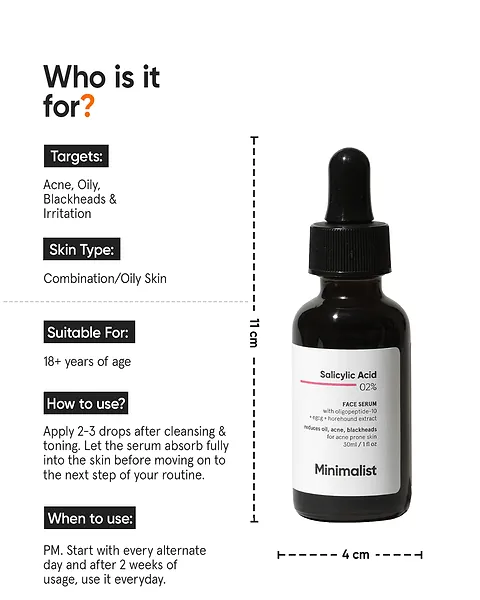
Yes, a low concentration around 2% is generally safe for daily use on oily skin. Start by using it once a day at night. If your skin gets dry or irritated, drop down to every other night.
What happens if I use bar soap on my face?
Standard body soap has a high pH that destroys your skin’s natural acid mantle. This leaves your face vulnerable to bacteria and extreme dryness. Always use a facial cleanser formulated specifically for the skin on your face.
How often should I wash my face?
Twice a day is enough for most people—once in the morning and once before bed. Add a quick rinse only after heavy sweating or exercise, since washing more than that usually causes irritation and rebound oiliness.
Conclusion
Stick with this simple habit for a few weeks before adding anything new. Your skin won’t balance overnight, but you’ll notice less shine and fewer breakouts soon. Don’t overthink it; just stay consistent, and your face will thank you later.

- Skincare Problems and Solutions - October 15, 2026
- How to Skincare Tips at Home - October 14, 2026
- Best Dry Skin Moisturizer Face - October 13, 2026