
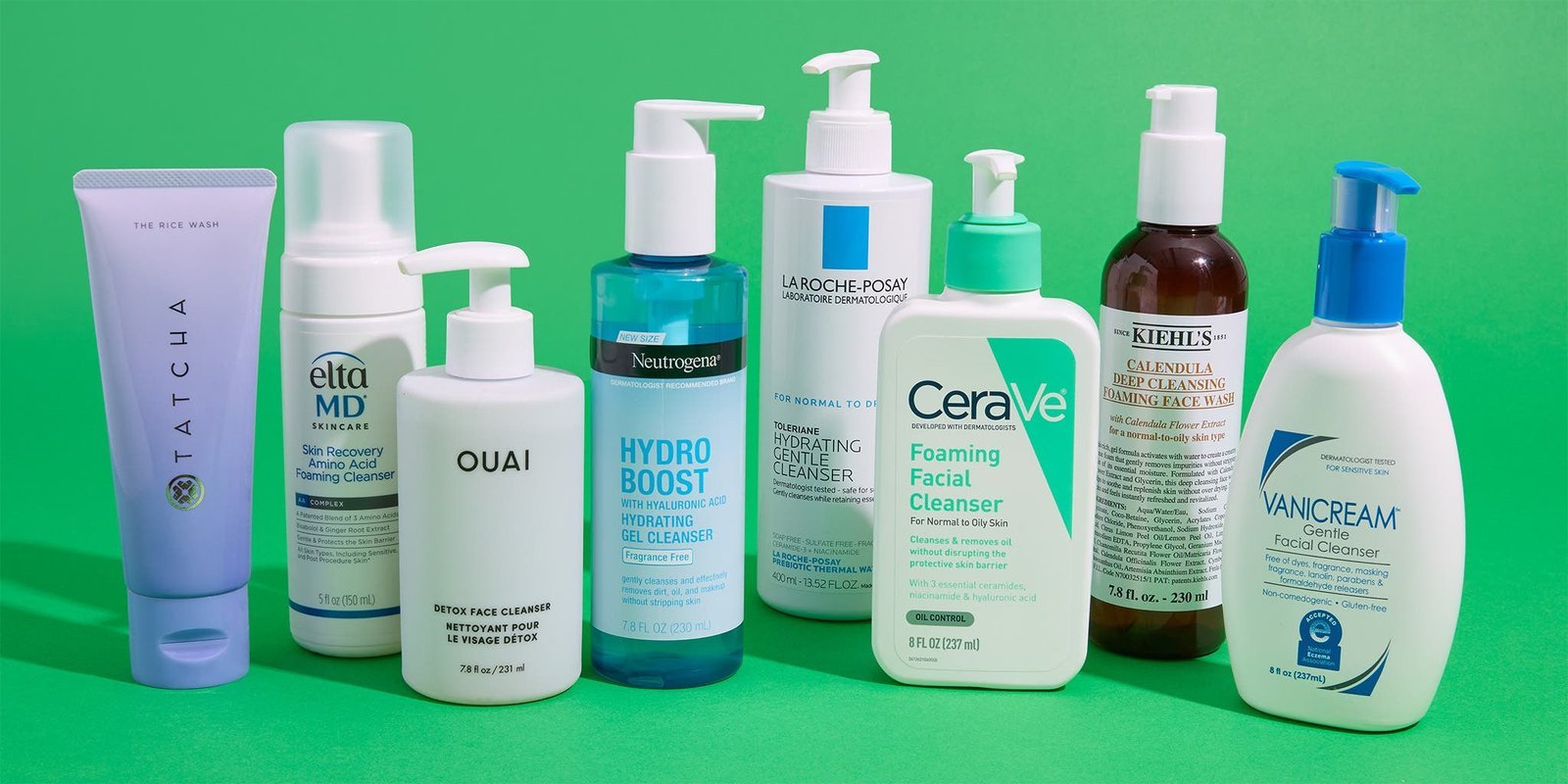
Gel, cream, foam, and charcoal washes are the best facial cleansers for men because they target specific skin needs without stripping natural oils. They all remove dirt and excess sebum, but each formula differs in hydration level and active ingredients. Picking the right one depends entirely on whether your skin produces too much oil or lacks moisture.
Types of facial cleansers for men
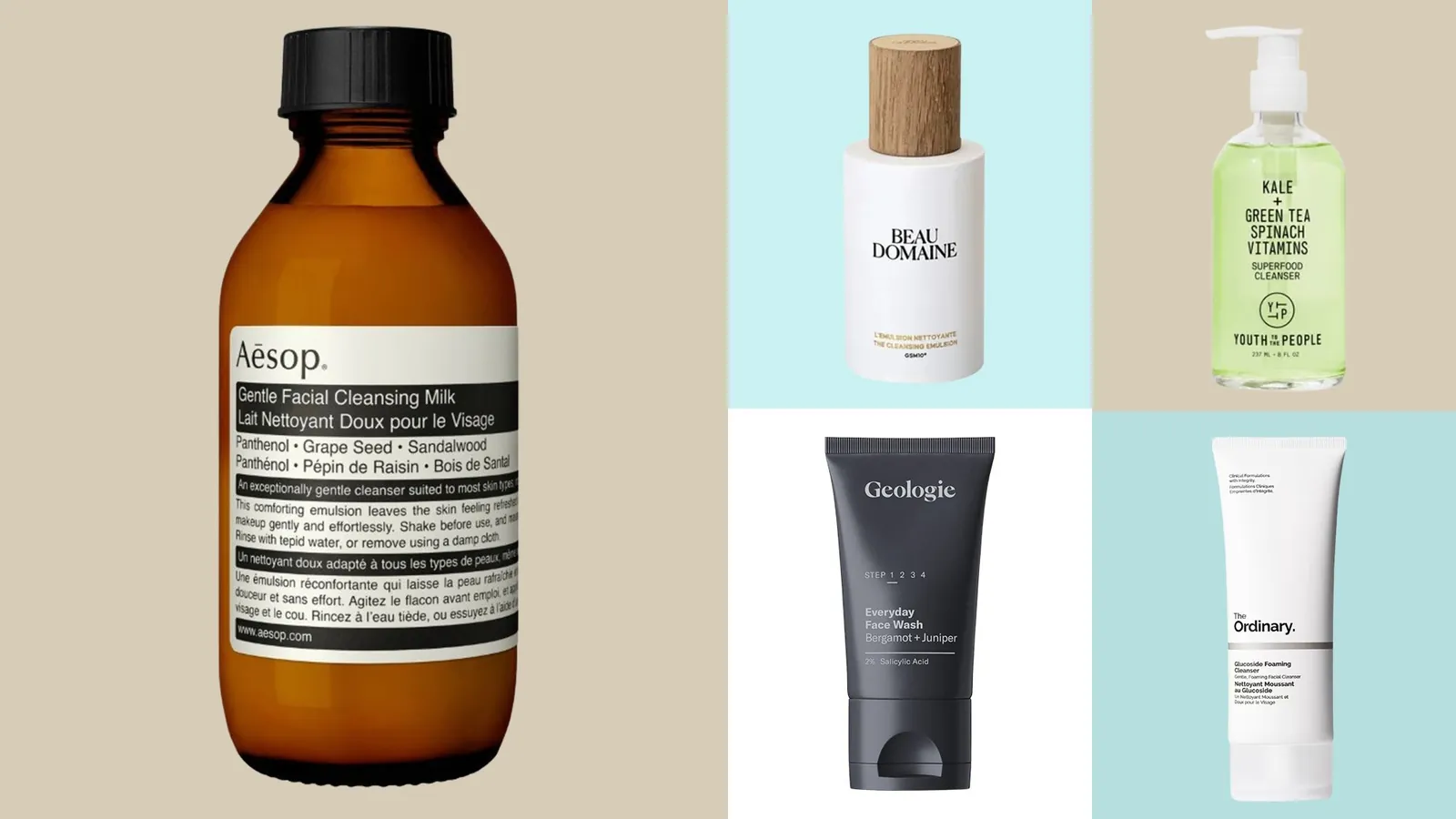
| Cleanser Type | Best For | Concrete Example |
|---|---|---|
| Gel Cleanser | Oily or acne-prone skin | Salicylic acid gel wash |
| Cream Cleanser | Dry or sensitive skin | Ceramide hydrating cream |
| Foam Cleanser | Normal to combination skin | Gentle foaming face wash |
| Charcoal Wash | Deep pore cleaning | Activated charcoal scrub |
| Exfoliating Wash | Rough texture or ingrowns | Glycolic acid daily scrub |
Gel cleansers for oily skin
Gel cleansers use water-based formulas that dissolve excess sebum without leaving residue behind. They suit men who see shine within two hours of washing or struggle with frequent breakouts along the forehead and nose.
- Removes surface oil while keeping pores clear of debris
- Dries quickly so you aren’t waiting before moisturizing
- Often contains salicylic acid to prevent future blemishes
- Rinses completely clean without any slick film
Use a pea-sized amount twice daily if your T-zone gets shiny by noon; if your cheeks feel tight afterward, switch to every other morning. The American Academy of Dermatology recommends gentle cleansing to avoid damaging the skin barrier, which matters more than scrubbing harder.
Cream cleansers for dry skin
Cream cleansers add moisture while washing, unlike gels that focus solely on oil removal. They fit men whose skin feels tight after shaving or shows flaky patches during colder months.
- Deposits lipids that repair the moisture barrier
- Prevents razor burn by softening stubble before shaving
- Calms redness from wind exposure or harsh weather
- Leaves skin supple rather than squeaky clean
Apply to damp skin for sixty seconds before rinsing with lukewarm water. If your face still stings after application, the product may contain fragrance you’re reacting to, so check the label and swap to a fragrance-free version immediately.
Foam cleansers for balanced skin
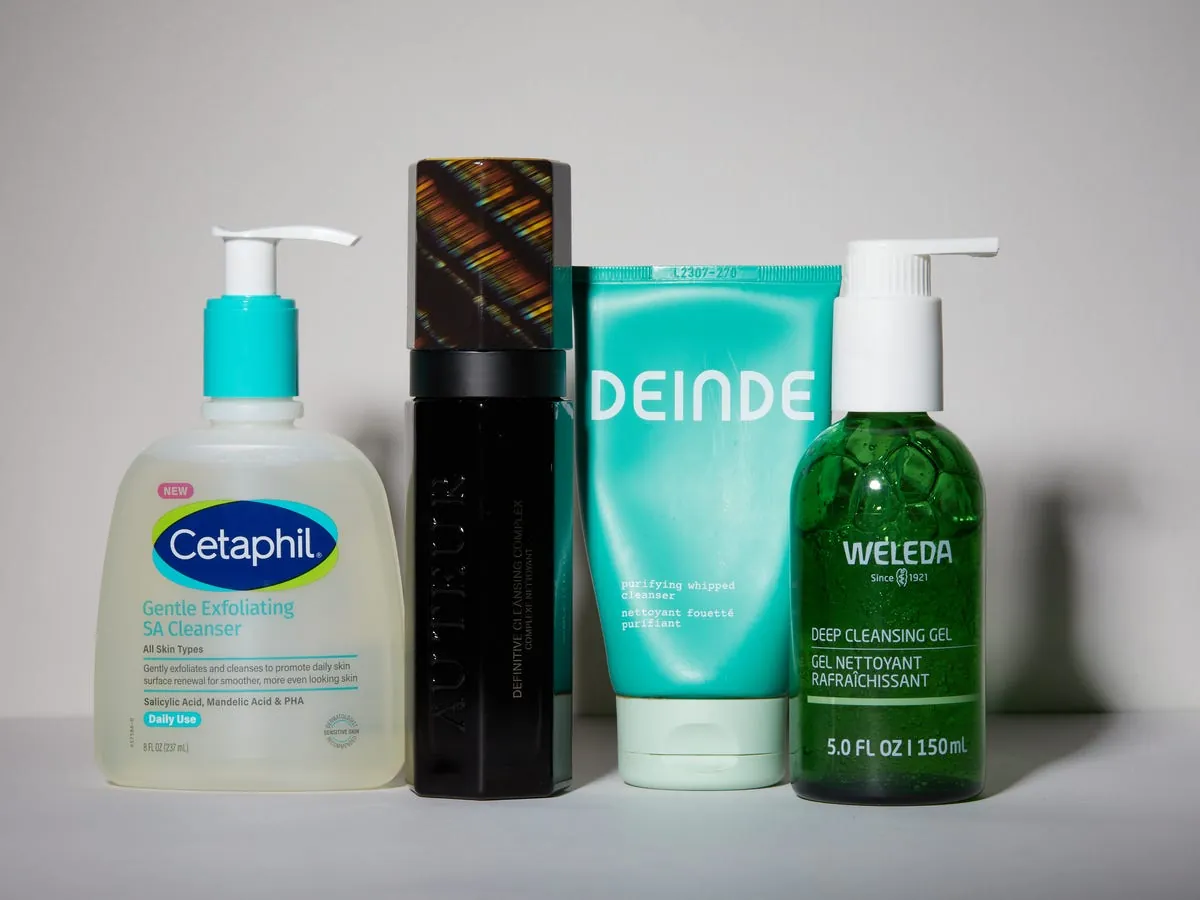
Foam cleansers offer a middle ground between stripping gels and heavy creams. They work for men whose skin changes with seasons or who want one product year-round without adjusting their routine constantly.
- Lifts sweat and sunscreen without over-drying
- Creates lather that signals thorough coverage
- Balances pH levels after exercise or outdoor work
- Works well with both light and rich moisturizers
Dispense two pumps onto wet palms and massage for thirty seconds. This type isn’t for you if you have eczema or rosacea, as the surfactants needed to create foam can trigger flare-ups in compromised skin barriers.
Charcoal washes for deep cleaning
Charcoal washes bind to pollutants trapped inside pores that regular soap misses. They serve men working in dusty environments or those noticing blackheads returning days after extraction.
- Adsorbs environmental toxins from urban air
- Draws out embedded grime from enlarged pores
- Provides mild physical exfoliation during rinsing
- Reduces visible pore size temporarily after use
Limit use to three times weekly maximum, as daily charcoal washing strips protective oils and causes rebound oil production. You’ll need a separate hydrating moisturizer afterward since this format doesn’t replenish moisture on its own.
Other men’s cleanser options
- Exfoliating Scrub: Contains glycolic or lactic acid to smooth rough patches and prevent ingrown hairs; use twice weekly at night if shaving causes bumps.
- Micellar Water: Wipes away sunscreen and sweat without rinsing; keep at your desk for post-gym refresh when sinks aren’t accessible.
- Bar Soap Alternative: Syndet bars maintain proper pH unlike traditional soap; choose only if travel liquids are restricted and verify “syndet” on packaging.
- Clay Mask Cleanser: Combines washing with masking in one step; apply weekly if you want deeper purification without adding another product to your shelf.
Choosing your men’s cleanser
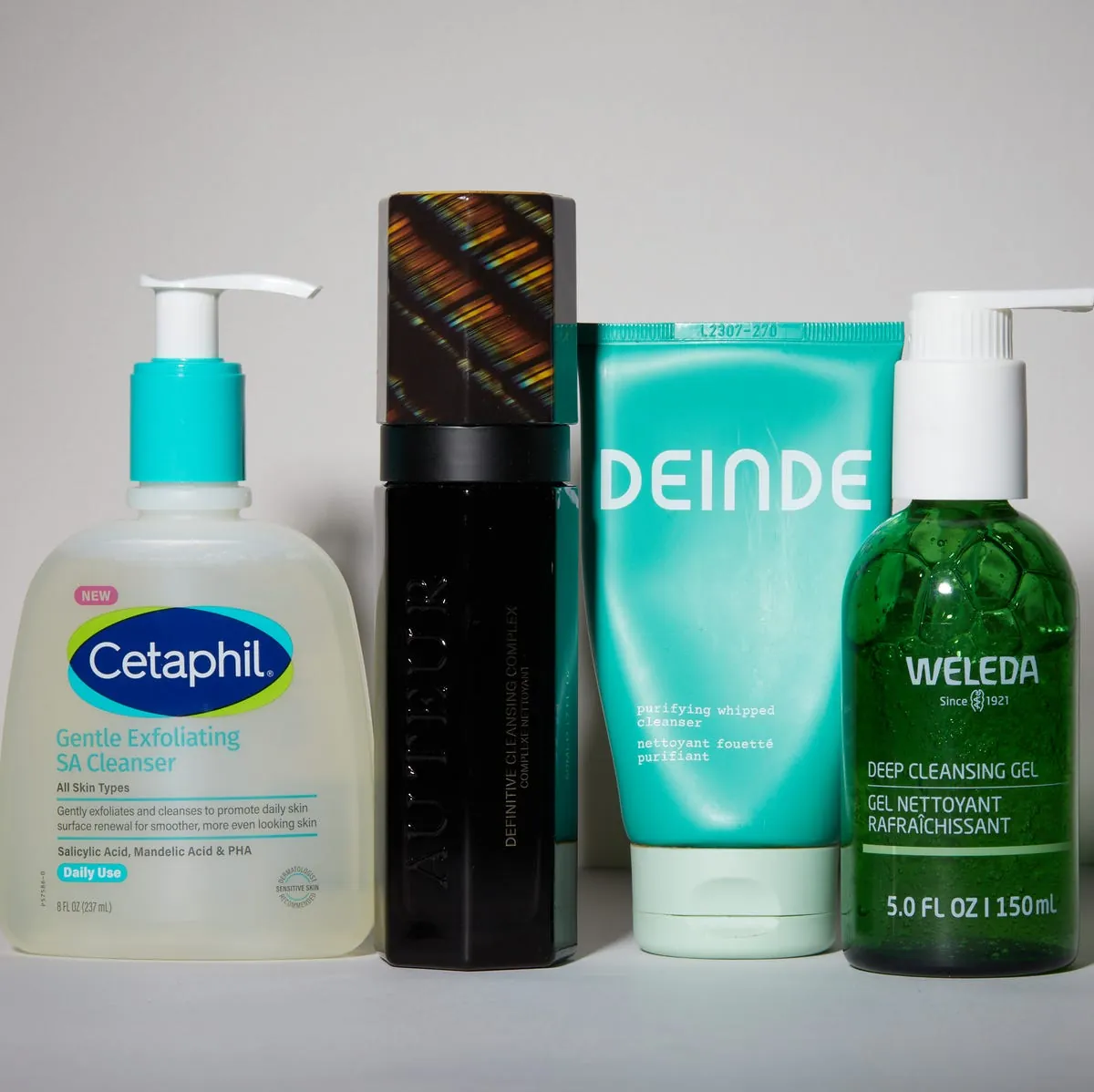
Your current skin condition determines which cleanser belongs in your bathroom, not marketing claims or brand loyalty. If you blot oil midday, pick a gel; if shaving leaves red patches, grab a cream; if neither extreme applies, foam is your safe starting point.
Budget matters less than consistency, so don’t overspend hoping expensive equals better results. You can combine a daily gentle wash with a weekly charcoal treatment, but never layer two active cleansers in the same session. Mixing salicylic acid and physical scrubs damages your barrier faster than either alone, creating sensitivity that takes weeks to heal.
Frequently asked questions
How often should men wash their face?
Twice daily is standard for most skin types, assuming moderate activity levels. Wash once in the evening if your skin feels tight or irritated after morning cleansing, and always rinse after sweating heavily.
Can men use women’s facial cleansers?
Yes, skin biology doesn’t differ enough to require gendered products. Focus on ingredients matching your concerns rather than packaging, though men’s formulas sometimes account for thicker facial hair and higher sebum production.
Why does my face feel tight after washing?
Tightness means your cleanser is too harsh or your water is too hot. Switch to a cream or non-foaming formula and lower water temperature to lukewarm, as heat strips natural oils that maintain barrier function.
Is it safe to use body wash on my face?
Generally no, because body washes contain stronger surfactants designed for thicker skin. Facial skin has more sebaceous glands and thinner stratum corneum, making it vulnerable to irritation from body-grade cleansing agents.
What happens if I skip moisturizer after cleansing?
Even oily skin can benefit from lightweight hydration post-wash to support barrier function and prevent transepidermal water loss.
Does water temperature matter when washing?
Lukewarm water works best for cleansing without stripping natural oils or causing significant irritation. Cold water doesn’t close pores despite popular belief, and hot water increases inflammation and compromises the lipid barrier over time.
How long before I see results from a new cleanser?
Four to six weeks is typical for visible improvement, assuming consistent twice-daily use. Stop immediately if burning or rash develops, but give non-irritating products enough time to normalize oil production and cell turnover.
Starting your cleansing routine
Pick one cleanser matching your current skin state and use it consistently for four weeks before judging results. Clearer texture and reduced shine signal it’s working; persistent redness or peeling means stop immediately and consult a dermatologist for personalized guidance.

- Skincare Problems and Solutions - October 15, 2026
- How to Skincare Tips at Home - October 14, 2026
- Best Dry Skin Moisturizer Face - October 13, 2026