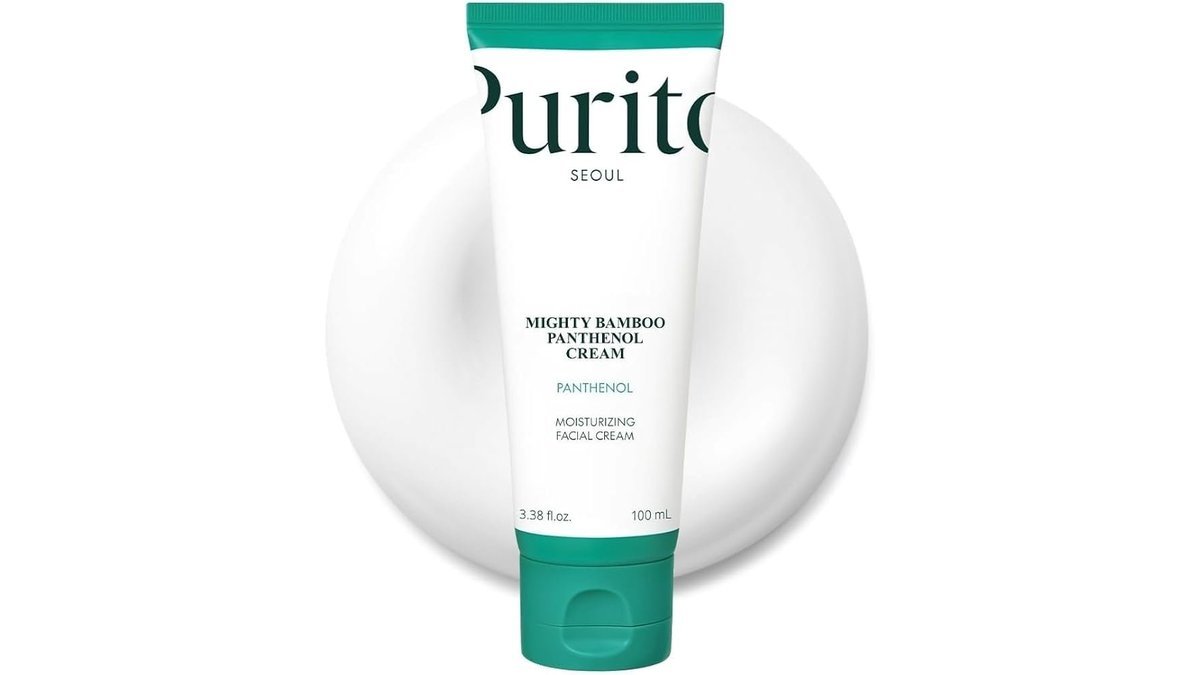
A non comedogenic barrier repair cream for acne prone skin works by restoring the skin’s protective layer without clogging pores. Look for formulas with ceramides, niacinamide, and hyaluronic acid that are labeled oil-free and fragrance-free.
What Ingredients Actually Repair the Barrier?
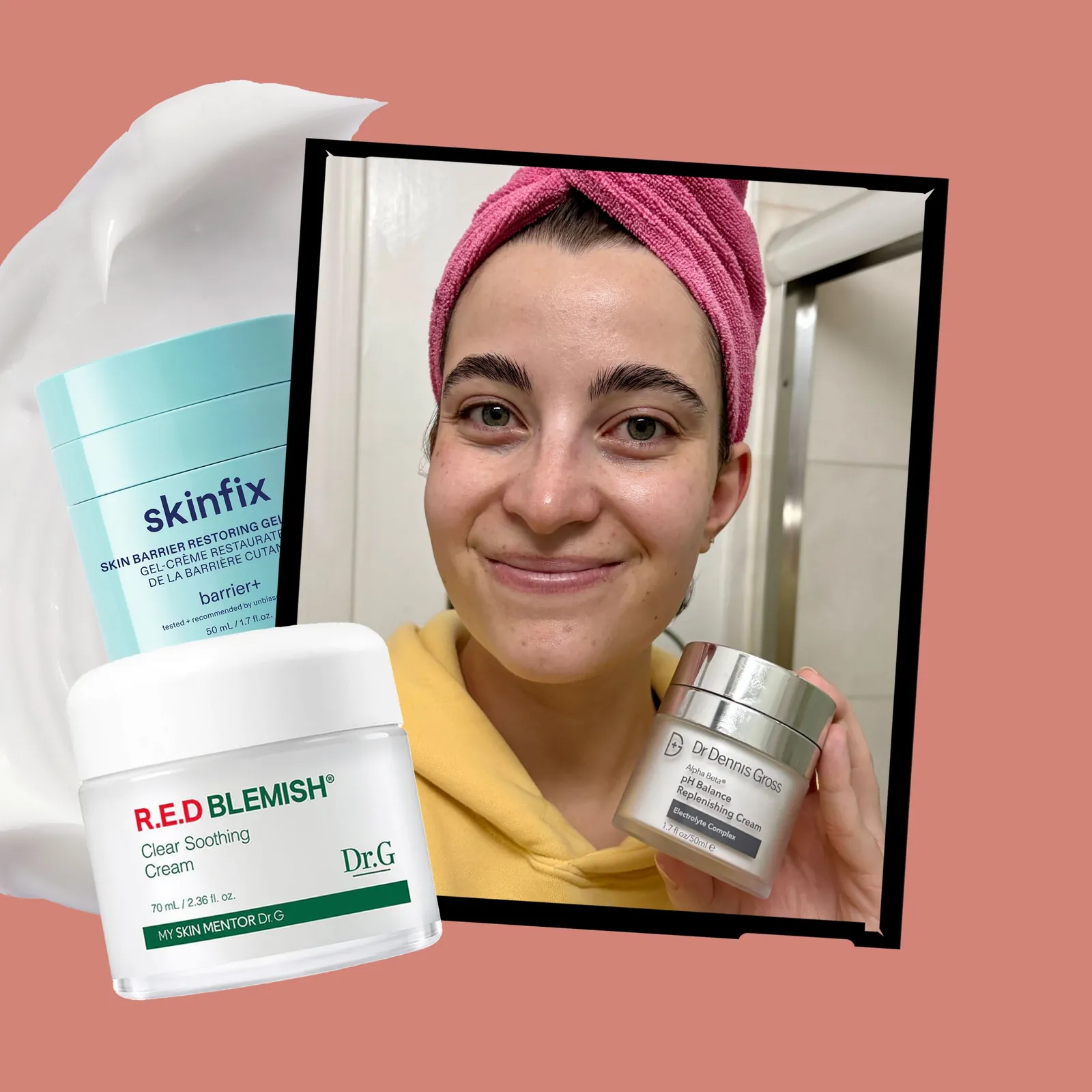
Your skin barrier is like a brick wall. Acne treatments often strip away the mortar, leaving gaps where irritants enter. Ceramides are the most critical component, making up about 50% of your skin’s outer layer.
Niacinamide is another powerhouse. Avoid heavy occlusives like coconut oil or cocoa butter, as these are highly comedogenic and will trigger breakouts. Instead, choose lightweight humectants and emollients like squalane or dimethicone.
Tip: Always check the ingredient list for “fragrance” or “essential oils.” Even natural scents can irritate compromised skin and worsen acne inflammation.
How to Choose a Safe Formula
Not all moisturizers are created equal.
| Feature | Safe for Acne | Risky for Acne |
|---|---|---|
| Texture | Gel, fluid lotion | Thick balm, butter |
| Labeling | Oil-free, non-comedogenic | No specific label |
| Key Lipids | Ceramides, squalane | Coconut oil, shea butter |
| Additives | Niacinamide, panthenol | Fragrance, alcohol |
The term “non-comedogenic” isn’t strictly regulated by the FDA, but it indicates the manufacturer has tested the formula to ensure it doesn’t clog pores. Look for this claim alongside “oil-free.” If a product feels heavy or greasy after five minutes, it’s likely too rich for your skin type. Patch test new products on your jawline for three days before applying them to your entire face.
When to Apply Barrier Cream
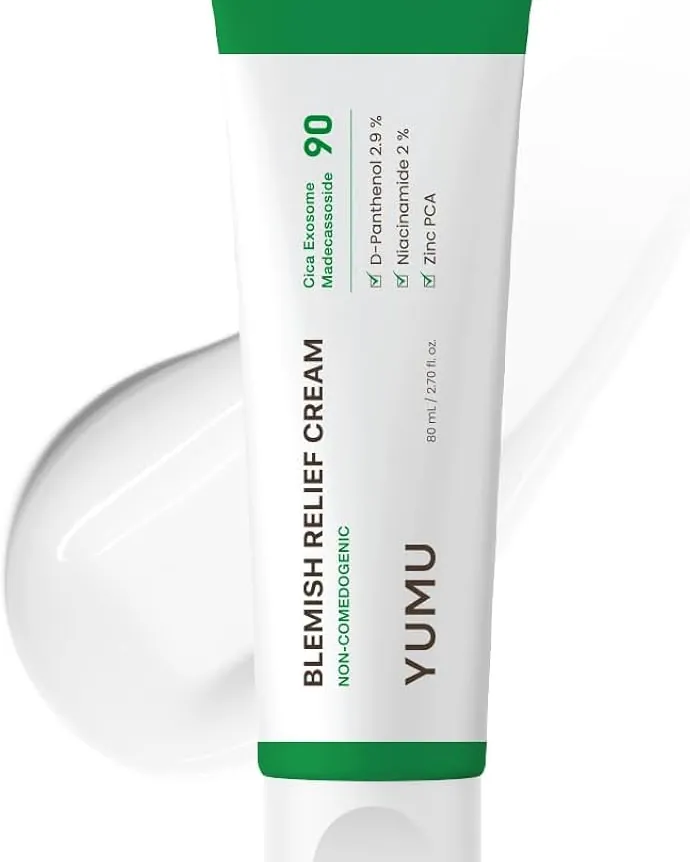
Timing affects how well your skin absorbs the product. Apply your barrier repair cream as the last step in your nighttime routine. If you use benzoyl peroxide or retinoids, wait ten minutes for them to dry completely.
Use a lighter layer in the morning. Heavy creams can interfere with sunscreen application. If sunscreen pills, your moisturizer is too thick. Switch to a gel-based option. Consistency is key. Visible improvement takes about two weeks. Don’t switch products frequently. Stick with one formula to see results.
Related guides
- Best Face Serum for Acne Prone Skin
- What Serums are Best for Acne-Prone Skin?
- The Ordinary Salicylic Acid 2% Solution, Acne-Fighting Serum for Blemish-Prone Skin
Frequently Asked Questions
Can I use barrier cream with active acne?
Yes. Healing the barrier reduces inflammation, which can calm active breakouts. Just ensure the product is oil-free and doesn’t contain heavy butters that trap bacteria.
Will ceramides cause more pimples?
No. Ceramides are identical to those found in healthy skin. They don’t clog pores. If you break out, check for other ingredients like fatty alcohols or fragrances in the formula.
How long until my skin feels better?
Most people notice less tightness and redness within three to seven days. Full barrier recovery typically takes two to four weeks of consistent use without harsh exfoliants.
Conclusion
Start with a simple ceramide-based gel cream and apply it nightly after your acne treatment. Monitor your skin for two weeks before adding other products. If irritation persists, consult a dermatologist to rule out underlying conditions.

- Skincare Problems and Solutions - October 15, 2026
- How to Skincare Tips at Home - October 14, 2026
- Best Dry Skin Moisturizer Face - October 13, 2026