
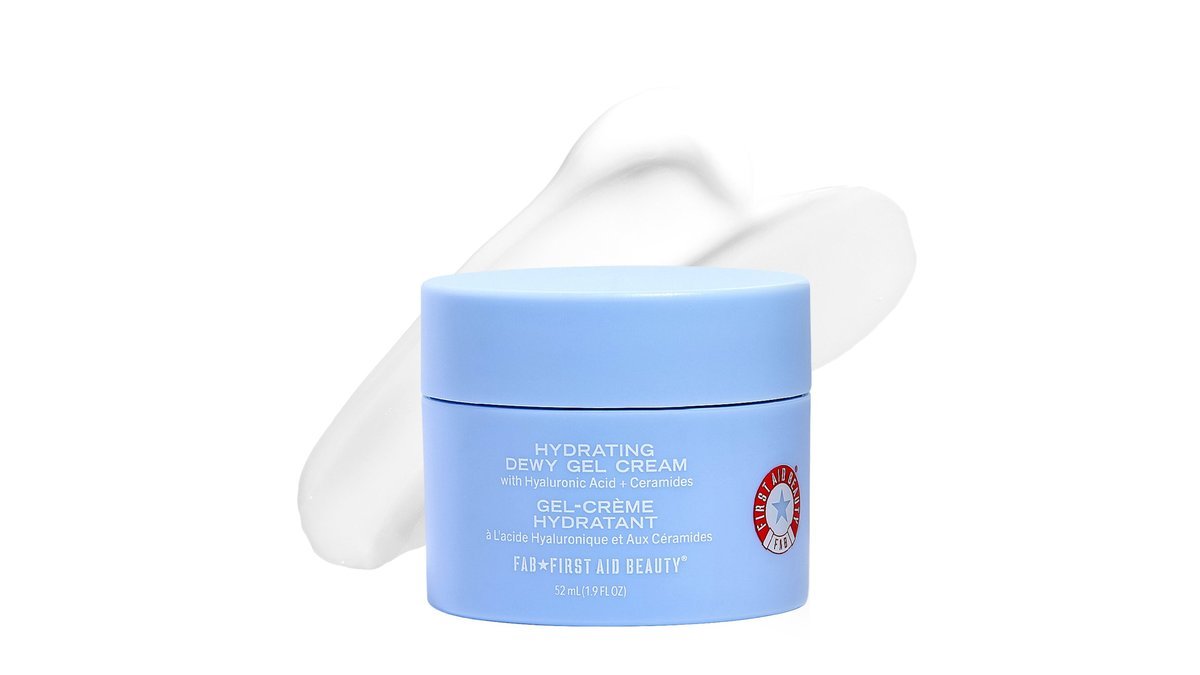
Gel moisturizer hydrates as well as cream for oily skin, but it often falls short for dry or mature skin types.
Which formula actually locks in moisture longer
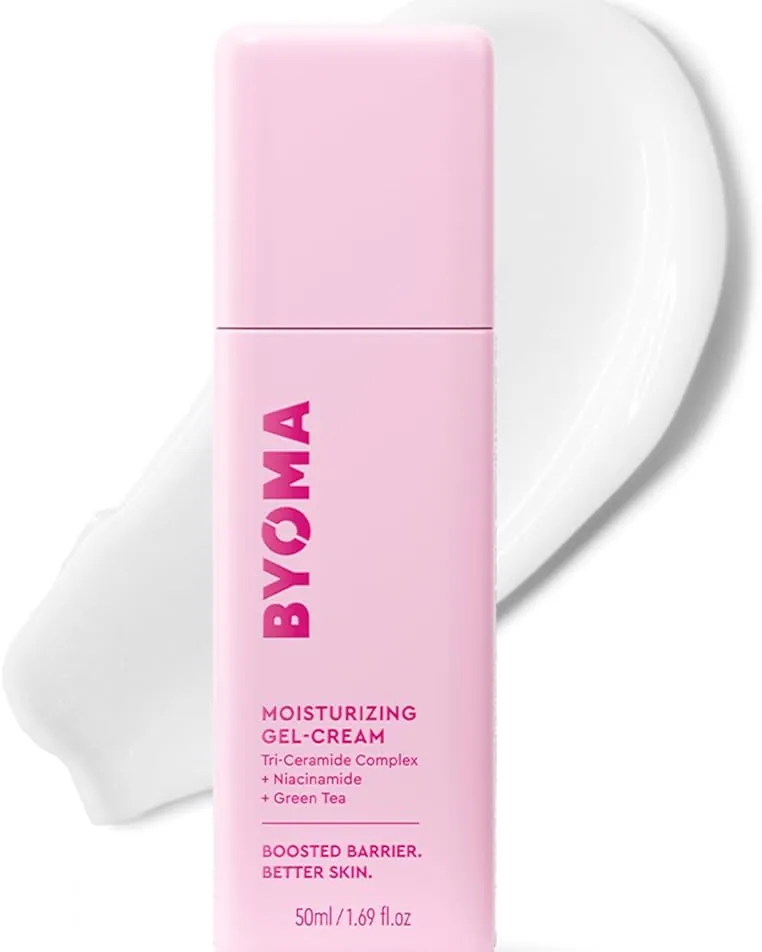
The main difference lies in how each product handles water loss. Gels use humectants to pull moisture into the skin. Without oil to seal it, that water evaporates quickly. Creams combine water and oils to create a physical shield.
How skin type changes the results
Your natural oil production decides which texture works best.
| Skin Type | Best Choice | Why It Works |
|---|---|---|
| Oily | Gel | Lightweight, non-greasy, absorbs fast |
| Dry | Cream | Rich oils prevent water loss |
| Combination | Gel-Cream Hybrid | Balances T-zone oil and cheek dryness |
| Sensitive | Cream (Fragrance-Free) | Soothes barrier, less irritating alcohol |
If you have combination skin, you might need both. Apply gel to your oily T-zone and cream to dry cheeks. Dermatology association guidelines note that heavy oils can clog pores in acne-prone areas, making gels a safer bet for those specific zones.
Common mistakes when switching textures
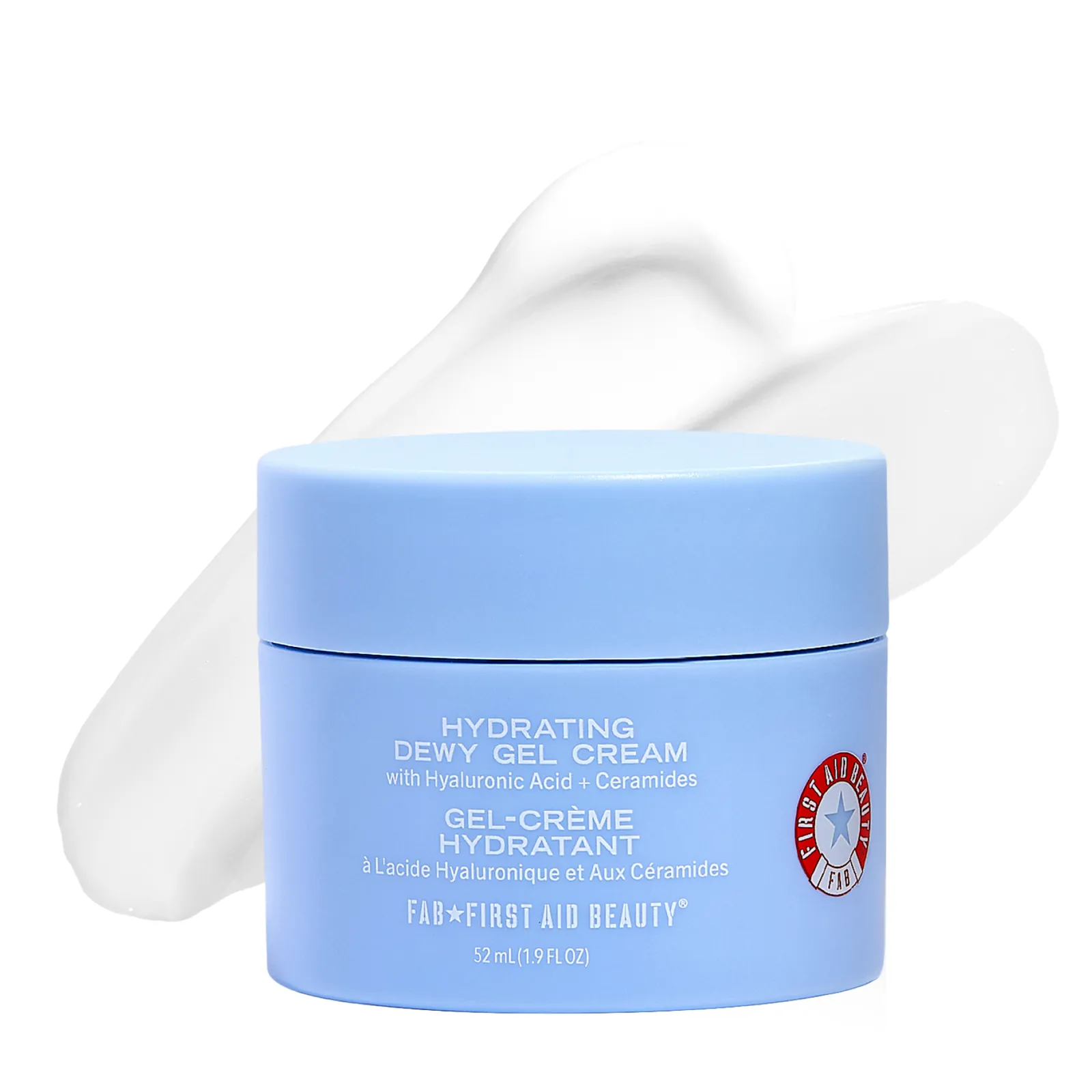
Many people switch to gels hoping to fix oiliness but end up dehydrated. Apply gel to damp skin. This gives humectants water to grab. On dry skin, it may pull moisture from deeper layers. Look for “non-comedogenic” on the label. Patch test new products on your jawline for two days.
Frequently Asked Questions
Can I layer gel and cream together?
Yes, you can layer them for custom hydration. Apply the gel first to damp skin, let it absorb, then add a thin layer of cream to lock it in. This works well for combination skin or during cold, dry winters when air sucks moisture from your face faster than usual.
Do gels work well under makeup?
Yes, gels are excellent under makeup. They absorb quickly and leave no greasy residue, which helps foundation sit smoothly. Creams can sometimes make makeup slide off if they’re too rich. Let the gel dry completely before applying primer or foundation to avoid pilling or clumping.
Are gels good for anti-aging?
Not usually on their own. Aging skin needs more oil and barrier support than most gels provide. While some gels have active ingredients, they lack the emollients that soften fine lines. Choose a cream with ceramides or peptides for better anti-aging results, or mix a few drops of facial oil into your gel.
Conclusion
Test a small amount of your current moisturizer against a new gel or cream for one week. Watch how your skin feels by midday. If it feels tight, switch to a cream. If it looks shiny, stick with the gel. Your skin’s daily comfort is the best indicator of proper hydration.

- Skincare Problems and Solutions - October 15, 2026
- How to Skincare Tips at Home - October 14, 2026
- Best Dry Skin Moisturizer Face - October 13, 2026