
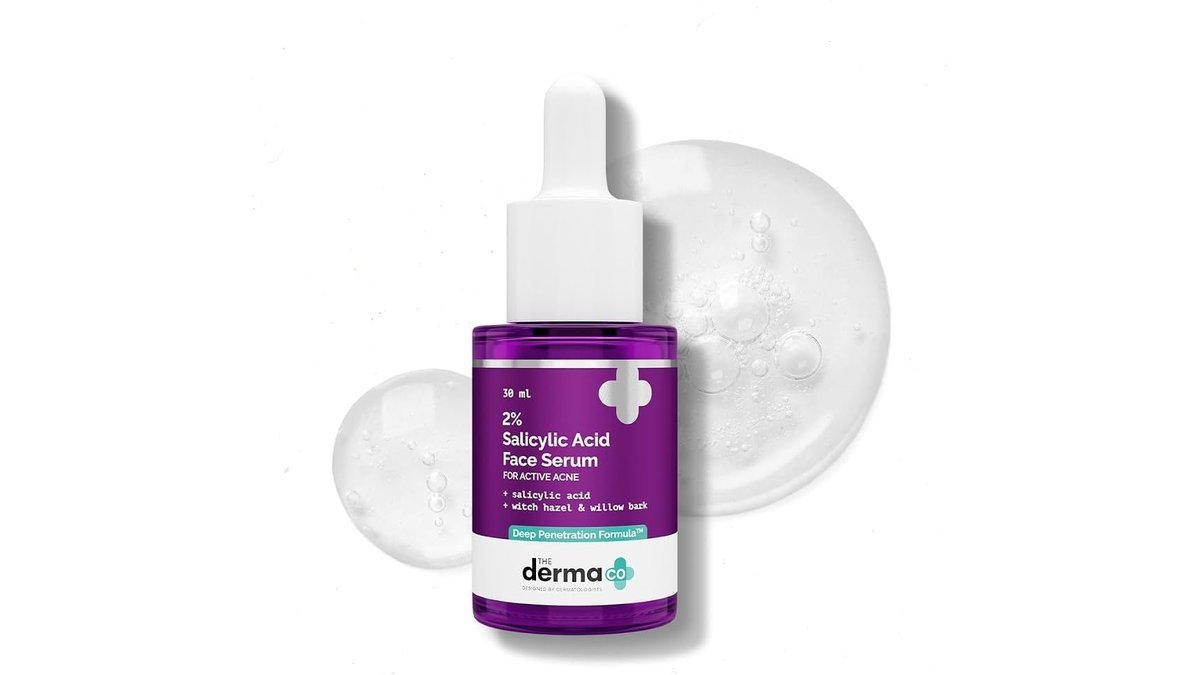
Salicylic acid and benzoyl peroxide are the best face serum options that help with acne. They clear clogged pores and kill bacteria on the skin surface. If your acne is cystic or painful, these over-the-counter options may not work alone. You’ll likely need a prescription from a dermatologist for deep inflammation.
Face serum ingredients that help acne
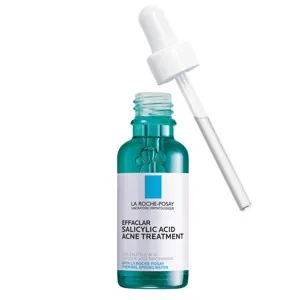
You don’t need ten products to fix breakouts. You need the right active ingredient that targets the root cause. Most acne comes from oil, dead skin, and bacteria trapping inside the pore. A good serum penetrates deep to dissolve this blockage.
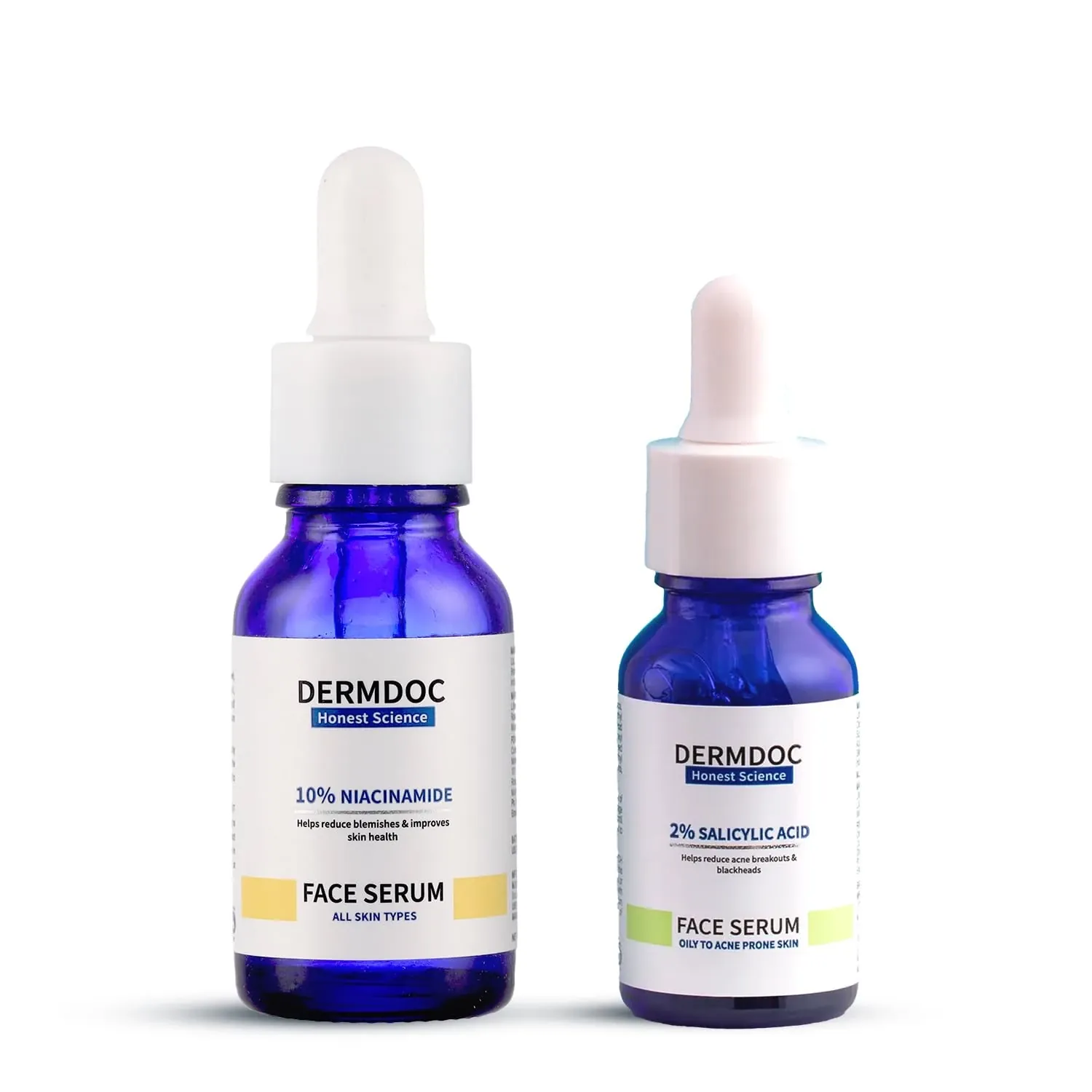
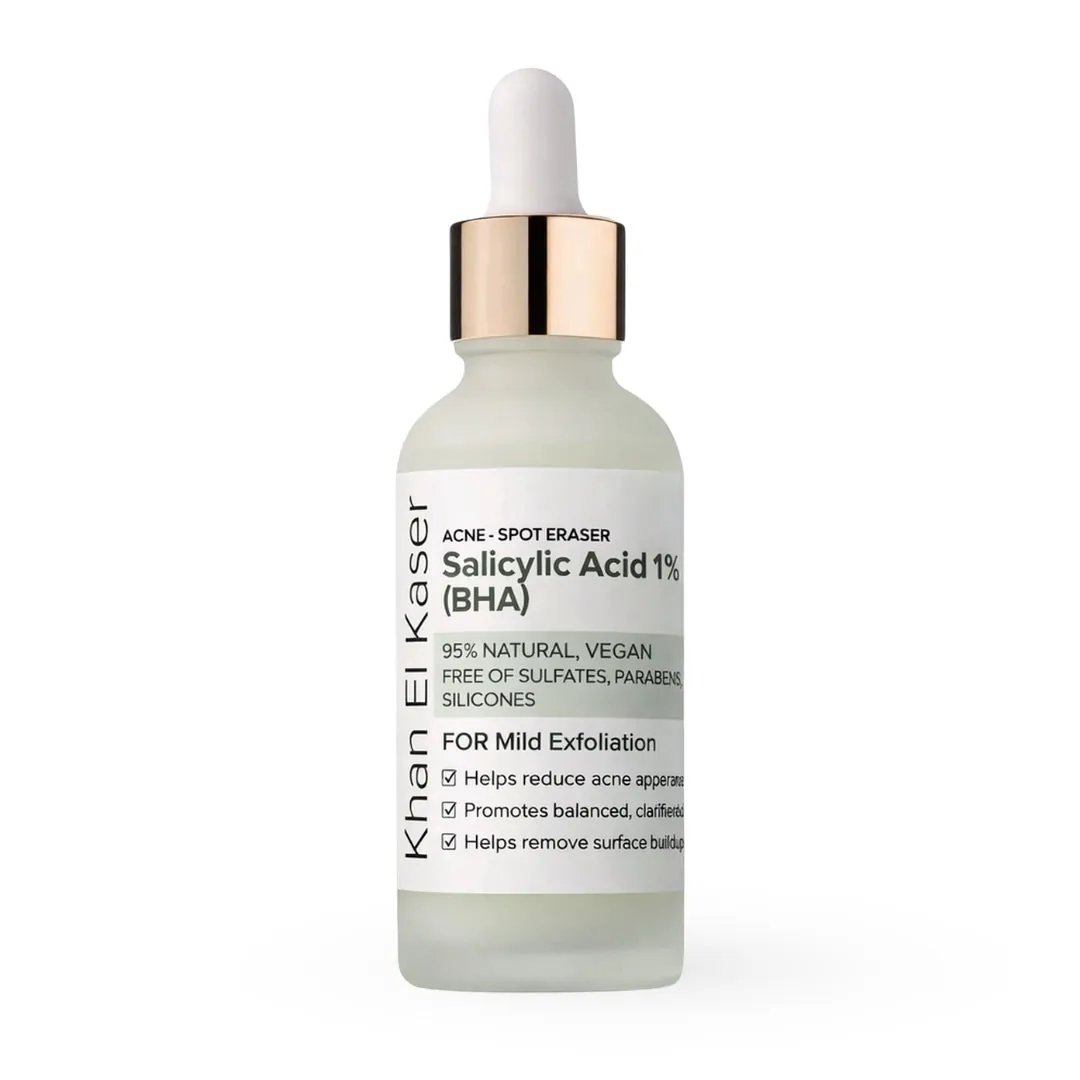
- Salicylic acid (0.5% to 2%) clears oil from inside the pore lining.
- Niacinamide (5% to 10%) reduces redness and controls excess oil production safely.
- Adapalene (0.1%) speeds up cell turnover to prevent new clogs from forming.
- Sulfur (3% to 10%) dries out surface oil and soothes active inflamed spots.
Why these ingredients work
Acne starts when dead skin cells stick together instead of shedding off. They mix with sebum, the oil your skin makes naturally. This mixture forms a plug inside the hair follicle. Bacteria called Cutibacterium acnes grow in this oxygen-free environment. The body sends immune cells to fight the bacteria, causing redness and pus.
Salicylic acid is oil-soluble, so it slips past surface oil. It breaks the bonds between dead skin cells inside the pore. This dissolves the plug from the inside out. Benzoyl peroxide works differently. It doesn’t unclog the pore as well as salicylic acid, but it stops the infection faster.
Niacinamide helps by calming the inflammation response. It strengthens the skin barrier, so your skin produces less reactive oil. This prevents the cycle of dryness and overproduction. Using these ingredients together requires care, as they can irritate if layered incorrectly. Start with one active ingredient to see how your skin reacts before adding another.
When results vary by type
Not all bumps are the same. The treatment depends on whether the acne is inflammatory or non-inflammatory. Using the wrong serum can waste weeks or damage your skin barrier. Check your specific symptoms against this guide to choose the right path.
| Situation | What changes | What to do instead |
|---|---|---|
| Blackheads and whiteheads | No redness or pain | Use salicylic acid to dissolve the plug |
| Red, tender bumps | Bacteria cause swelling | Use benzoyl peroxide to kill germs |
| Deep, painful cysts | Inflammation is under skin | See a doctor for prescription strength |
| Very sensitive skin | Stinging or peeling occurs | Lower frequency or try niacinamide first |
| Dark spots remain | Post-acne hyperpigmentation | Add azelaic acid or vitamin C later |
| Dry, flaky patches | Barrier is damaged | Stop actives and use moisturizer only |
How to apply serum correctly
Applying acne serum incorrectly causes more harm than good. Too much product burns the skin. Too little does nothing. Follow these steps to get results without irritation.
- Wash your face with a gentle cleanser and pat it completely dry.
- Wait five minutes to ensure no water remains on your skin.
- Apply a pea-sized amount of serum to your fingertips gently.
- Dot the serum on your forehead, cheeks, chin, and nose area.
- Gently spread it across your face, avoiding the eye lips.
- Wait ten minutes for the serum to absorb fully into skin.
- Apply a lightweight, non-comedogenic moisturizer to lock in hydration.
- Use sunscreen every morning, as these ingredients increase sun sensitivity.
Common errors that cause breakouts
People often rush the process and damage their skin barrier. This leads to more acne, not less. Avoid these specific mistakes to keep your progress on track.
- Using multiple strong actives at once causes chemical burns and severe redness.
- Skipping moisturizer makes skin produce more oil to compensate for dryness.
- Expecting overnight results leads to quitting before the four-week mark.
- Picking at purging spots spreads bacteria and creates permanent dark scars.
Related guides
Frequently asked questions
How long does it take to see results?
Most people see initial changes in two to four weeks. Full clearing takes eight to twelve weeks of consistent daily use. Skin cycles take about 28 days, so you must wait for new skin to surface. Don’t stop early if you don’t see instant fixes.
Is it safe to use during pregnancy?
Salicylic acid in low doses is generally considered safe, but avoid high concentrations. Benzoyl peroxide is often recommended by doctors for pregnant women. However, retinoids like adapalene are generally contraindicated and not recommended during pregnancy. Always check with your obstetrician before starting any new topical treatment.
Can I use vitamin C with acne serum?
Yes, but not at the same time. Vitamin C works best in the morning for protection. Use your acne serum at night.
Does higher percentage mean better results?
No, higher percentages often cause more irritation without better clearing. A 2.5% benzoyl peroxide solution is as effective as 10% but with less dryness. Start with the lowest strength. Only increase if your skin tolerates it well after a month of use.
What happens if my skin peels?
Peeling means your skin barrier is compromised. Stop using the serum for two to three days. Focus on hydration with a gentle moisturizer. When you restart, use the serum every other night instead of daily. This allows your skin to build tolerance slowly.
Which face serum helps with acne scars?
Acne serums treat active breakouts, not old scars. For dark marks, use azelaic acid or niacinamide. For textured scars, you need retinoids or professional treatments like lasers. Don’t expect a standard acne serum to fade old pigmentation quickly. It targets bacteria and oil, not collagen.
Conclusion
Consistency is the most important factor in clearing acne. Pick one ingredient that matches your specific type of breakout. Stick with it for at least two months. Protect your skin from the sun every day. If you see no improvement after twelve weeks, consult a dermatologist for stronger prescription options.

- Skincare Problems and Solutions - October 15, 2026
- How to Skincare Tips at Home - October 14, 2026
- Best Dry Skin Moisturizer Face - October 13, 2026