
Vitamin C, niacinamide, azelaic acid and hydroquinone are the best active ingredients for hyperpigmentation and dark spots. These compounds interrupt melanin production at different stages to fade discoloration. They differ mainly in strength, speed of results and risk of skin irritation for sensitive users.
Best active ingredients for dark spots

Choosing the right treatment depends on your skin type and the cause of the discoloration. Some options work slowly but safely, while others act fast but require caution. The table below compares the most effective options available today.
| Ingredient | Best For | Common Example |
|---|---|---|
| Vitamin C | Daily prevention and brightening | L-ascorbic acid serum |
| Niacinamide | Sensitive skin and redness | 5% niacinamide solution |
| Azelaic Acid | Acne marks and rosacea | 10% azelaic acid cream |
| Hydroquinone | Stubborn melasma patches | 2% OTC or 4% prescription cream |
| Kojic Acid | Gentle lightening alternative | Kojic acid soap |
| Retinoids | Cell turnover and texture | Adapalene gel 0.1% |
| Alpha Arbutin | Mild spot correction | Alpha arbutin 2% serum |
Vitamin C serums
Vitamin C is a powerful antioxidant that blocks the enzyme responsible for melanin production. It suits most skin types, especially those looking for overall brightness and protection against sun damage. This ingredient works best when applied in the morning under sunscreen.
- Neutralizes free radicals from UV exposure
- Inhibits tyrosinase activity to stop pigment formation
- Boosts collagen for smoother skin texture
Use a serum with 10-20% L-ascorbic acid for visible results. Apply five drops to clean, dry skin every morning. If you feel stinging, switch to a sodium ascorbyl phosphate formula, which is gentler on sensitive barriers.
Niacinamide solutions
Niacinamide, also known as vitamin B3, stops pigment from transferring to surface skin cells. It’s ideal for people with sensitive skin or those who can’t tolerate strong acids. Unlike other brighteners, it also strengthens the skin barrier and reduces inflammation.
- Blocks melanosome transfer between cells
- Reduces redness and yellowing in skin tone
- Regulates oil production for clearer pores
Apply a 5% niacinamide serum twice daily after cleansing. You’ll see reduced redness within four weeks. For persistent dark spots, combine it with zinc to control breakouts that often leave post-inflammatory marks behind.
Azelaic acid creams
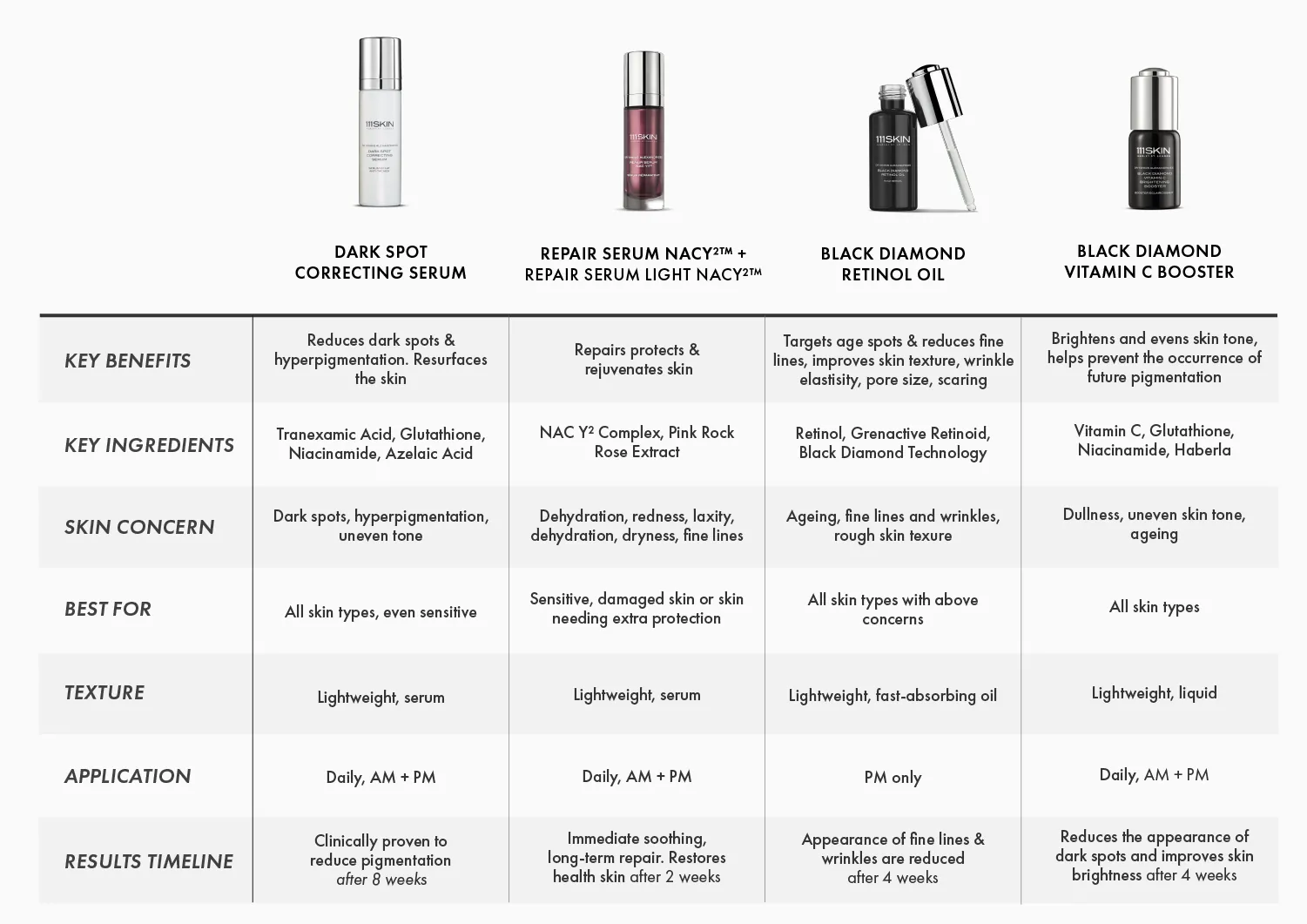
Azelaic acid targets abnormal pigment cells while leaving normal skin alone. This makes it a top choice for melasma and post-acne marks, particularly for darker skin tones prone to rebound pigmentation. It’s safe for use during pregnancy when other options are not.
- Kills acne bacteria to prevent new spots
- Selectively targets overactive melanocytes
- Reduces swelling and redness from rosacea
Apply a thin layer of 10% azelaic acid to affected areas every night. Start with three nights a week to test tolerance. Note that effective medical-grade formulations (15-20%) typically require a prescription, so consult a dermatologist for severe cases.
Hydroquinone treatments
Hydroquinone is the gold standard for stubborn melasma but carries significant risks if misused. It works by shutting down melanin production entirely. This ingredient suits those with deep, resistant pigmentation who have failed with milder treatments. It isn’t for long-term daily maintenance.
- Rapidly fades deep dermal pigment
- Provides noticeable results in 8-12 weeks
- Requires strict sun avoidance during use
Use 2% hydroquinone only on dark spots for no more than three months. Apply a pea-sized amount at night. Prolonged use can cause ochronosis, a permanent blue-black discoloration, so never use it without a break period.
Other brightening options
- Kojic Acid: Derived from fungi, this ingredient inhibits tyrosinase gently. It’s best for those who find vitamin C too irritating but want a natural alternative for mild sun spots.
- Retinoids: These increase cell turnover to shed pigmented skin faster. They suit users dealing with texture issues alongside dark spots, but they require nightly sunscreen use to prevent burning.
- Alpha Arbutin: A safer derivative of hydroquinone, it releases slowly into the skin. It’s ideal for beginners who want to correct minor unevenness without the risk of irritation or rebound darkness.
Choosing your active ingredient
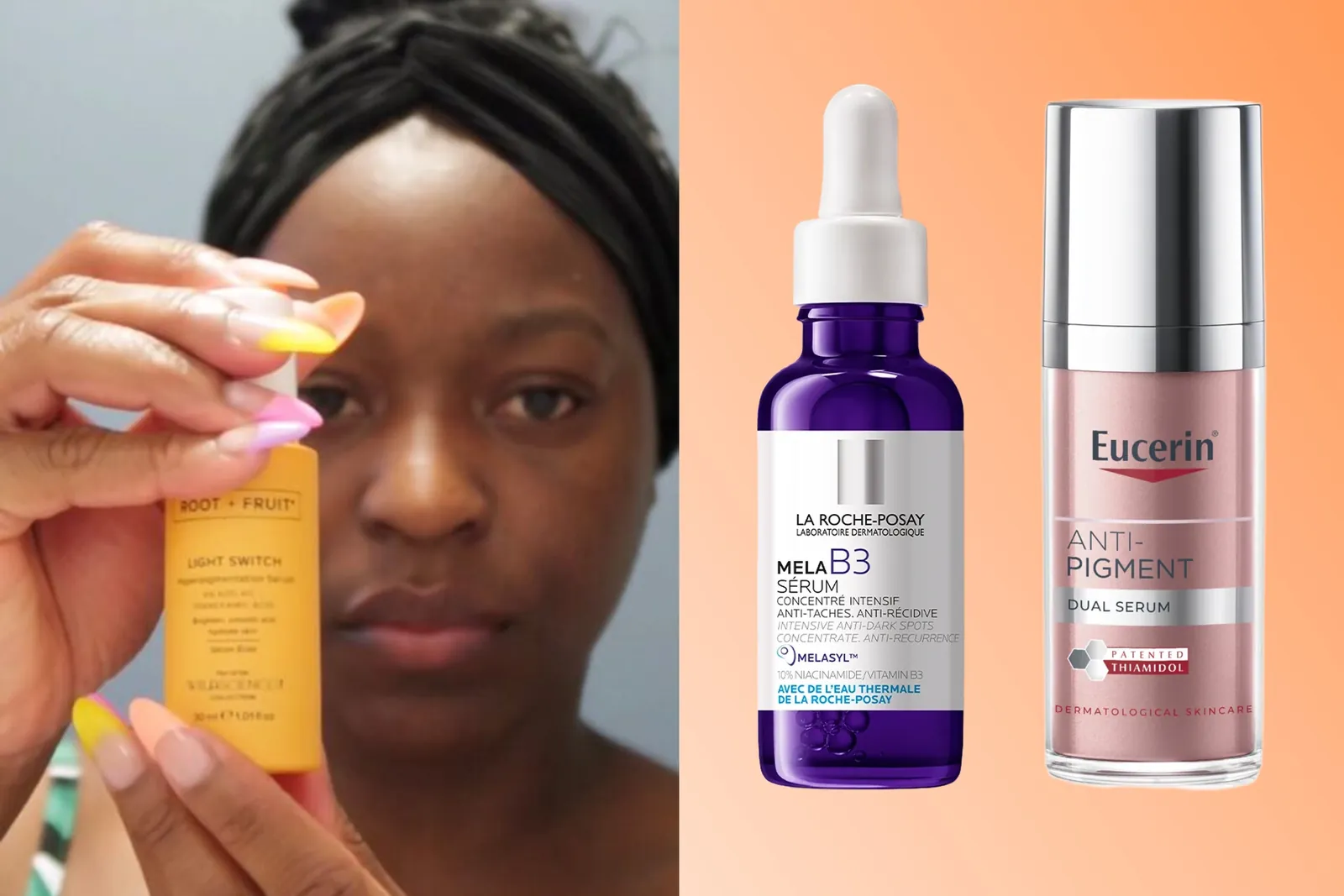
Your choice depends on your skin’s sensitivity and the depth of the pigment. If you have reactive skin or rosacea, start with niacinamide or azelaic acid because they calm inflammation while lightening. If your spots are shallow and caused by recent sun exposure, vitamin C offers both correction and prevention.
For deep, stubborn melasma, hydroquinone provides the fastest results but demands strict medical supervision. You can’t combine hydroquinone with strong exfoliants like glycolic acid without risking severe irritation. Pick one primary active and stick with it for at least eight weeks before switching. Combining too many actives often damages the skin barrier, making pigmentation worse.
Related guides
- What is the No. 1 Dark Spot Remover?
- Best Serum for Pimples And Dark Spots
- What’S Best for Pimples And Dark Spots?
Frequently asked questions
How long does it take to see results?
Most ingredients show visible changes in 8 to 12 weeks. Hydroquinone may work in 4 weeks, while gentle options like alpha arbutin can take 3 months. Consistency matters more than strength.
Is hydroquinone safe for long-term use?
No, you shouldn’t use hydroquinone for more than 3-5 months continuously. Long-term use risks ochronosis, a permanent blue-black staining of the skin. Always take a break after each cycle.
Can I use vitamin C with retinoids?
Yes, but apply them at different times to avoid irritation. Use vitamin C in the morning and retinoids at night. If your skin stings, alternate days instead of using both daily.
What happens if I skip sunscreen?
Your dark spots will return or darken rapidly. UV exposure triggers melanin production immediately, undoing weeks of treatment. Sunscreen is essential when using any pigment-correcting ingredient.
Does niacinamide cause purging?
No, niacinamide doesn’t increase cell turnover, so it doesn’t cause purging. If you break out, it’s likely irritation from another product in your routine or a reaction to a high concentration.
Why did my spots get darker?
You may be experiencing post-inflammatory hyperpigmentation from irritation. Stop all active ingredients immediately. Focus on hydration and barrier repair until the redness fades, then reintroduce one product slowly.
First steps for clear skin
Start with a broad-spectrum SPF 30 sunscreen every morning to stop new pigment from forming. Apply your chosen active ingredient at night, watching for reduced darkness in eight weeks. If you develop persistent redness or burning, stop use and consult a dermatologist to rule out allergic contact dermatitis.

- Skincare Problems and Solutions - October 15, 2026
- How to Skincare Tips at Home - October 14, 2026
- Best Dry Skin Moisturizer Face - October 13, 2026